Shift in Kharif Sowing Patterns: Farmers Pivot to Resilience Amidst Monsoon Uncertainty
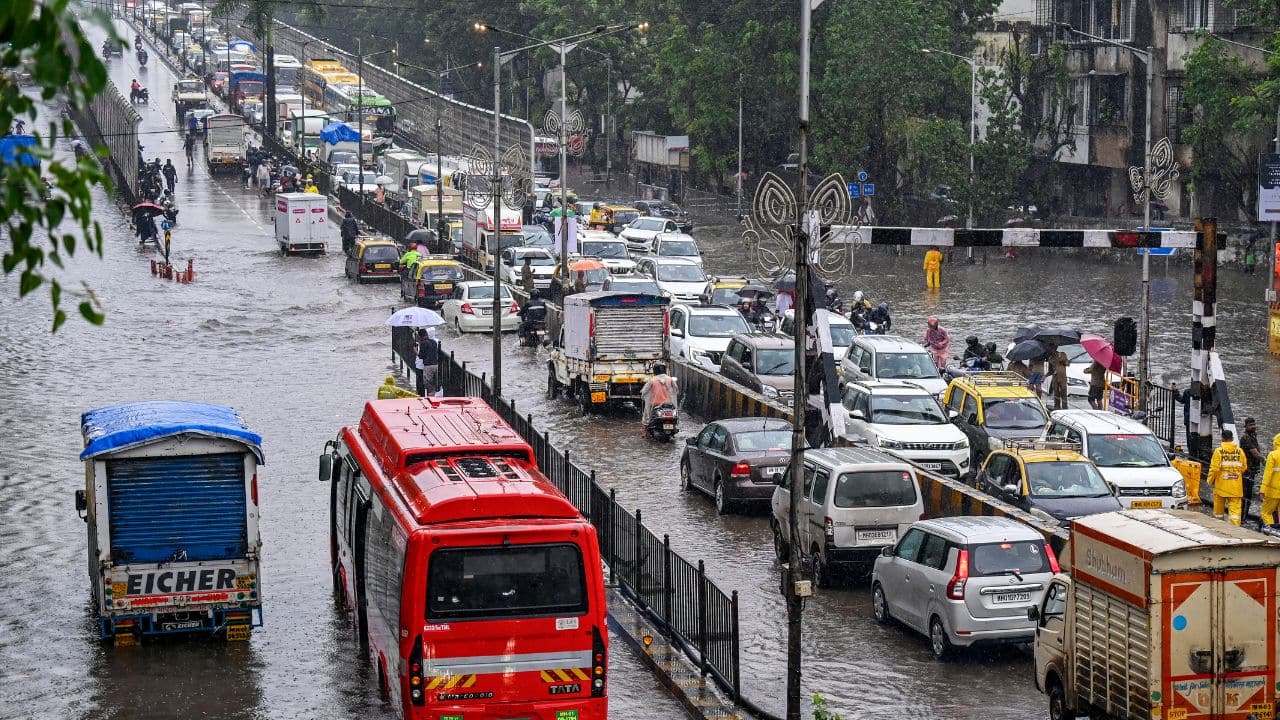
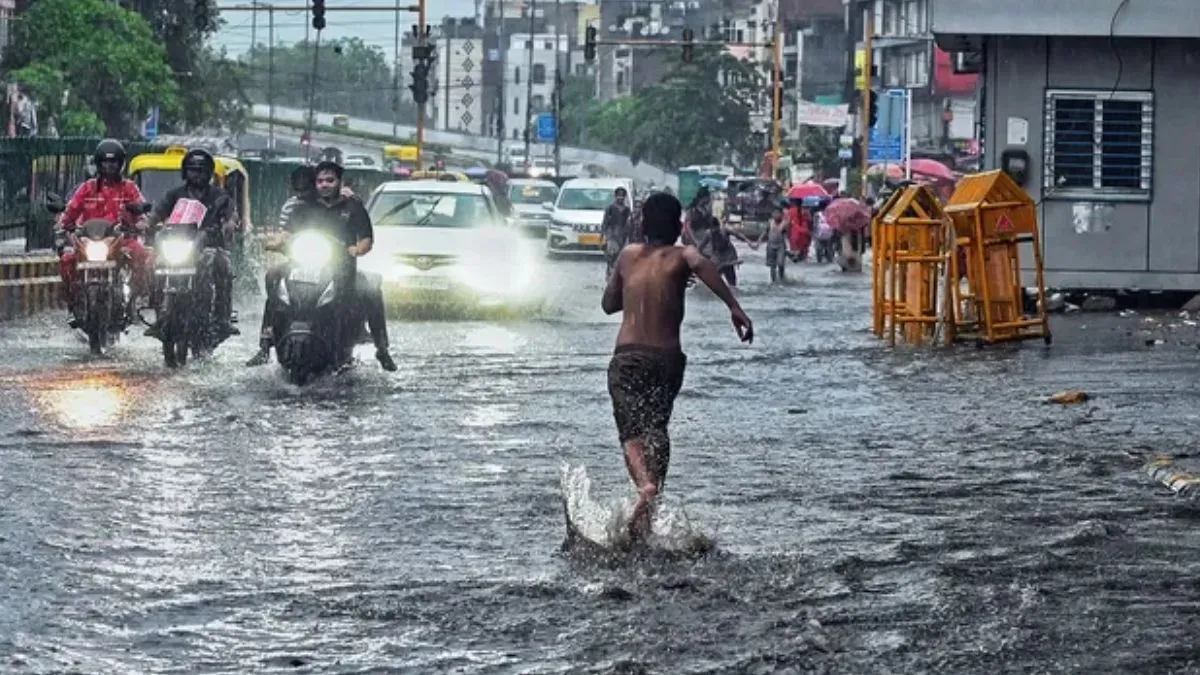
The traditional rhythm of the Indian kharif season is undergoing a profound transformation as erratic monsoon patterns force a strategic reassessment of planting choices. As rainfall distribution becomes increasingly unpredictable—characterized by prolonged dry spells interrupted by intense, short-duration deluges—farmers across the country are moving away from water-intensive staples. This shift in acreage is not merely a reaction to current weather challenges but a deliberate transition toward climate-resilient cropping systems and high-value horticulture.
Agricultural data from key growing regions indicates a decisive move toward crops that offer both drought tolerance and shorter maturity cycles. By diversifying away from conventional staples that require consistent moisture throughout their growth stages, producers are attempting to mitigate the financial risks associated with rainfall failure. This structural change in land allocation is rippling through the agricultural supply chain, prompting seed companies and input suppliers to recalibrate their inventories to meet shifting market demand.
Diversification Toward Hardy Oilseeds and High-Value Crops
The most notable trend in this year’s sowing cycle is the significant expansion of acreage under oilseeds. Sunflower, a crop that has seen a resurgence in popularity, is leading this shift. Its ability to withstand moderate moisture stress while offering a relatively short growth cycle makes it an attractive alternative for farmers in semi-arid regions. Similarly, sesamum cultivation has seen a marked increase, as farmers favor the crop’s hardiness and its suitability for soil conditions that might otherwise be suboptimal for more demanding grains.
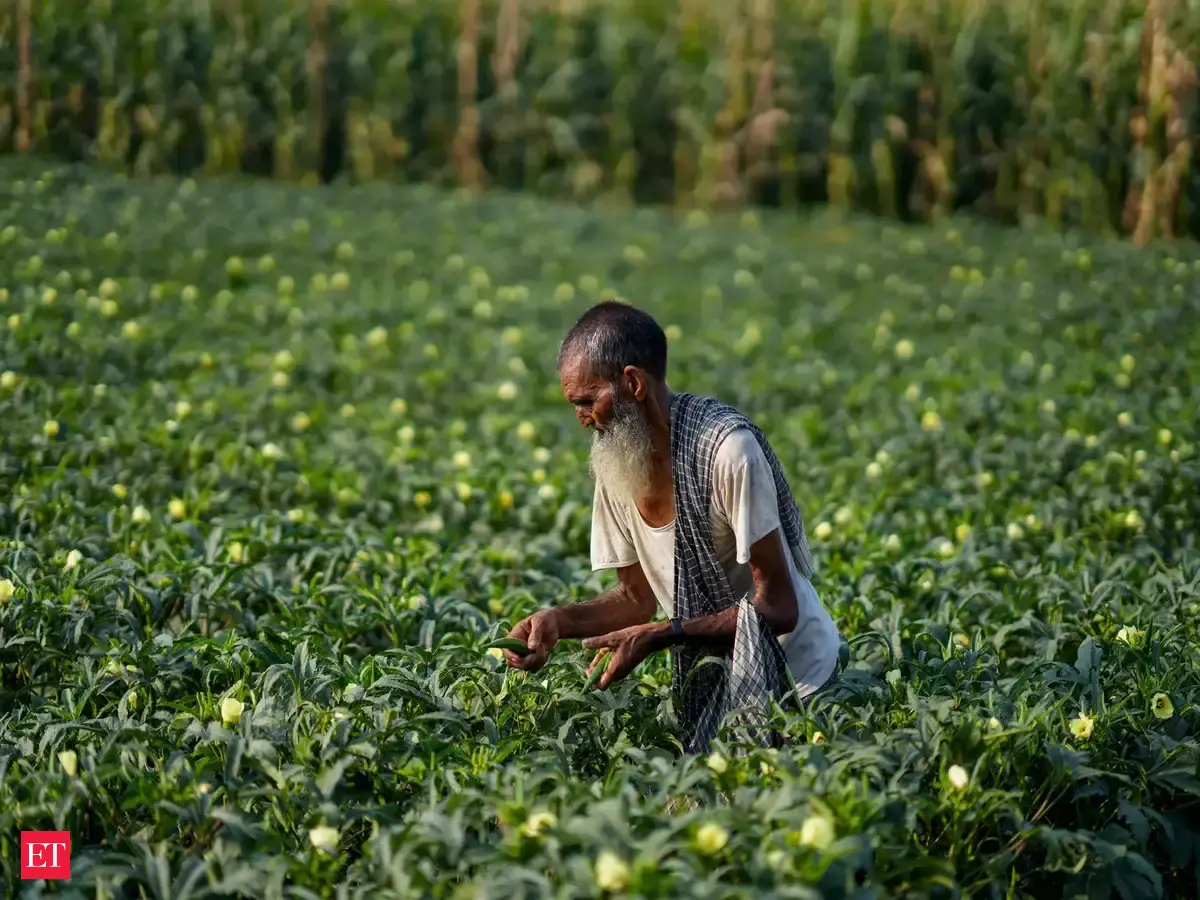
Beyond oilseeds, the agricultural landscape is seeing a surge in the cultivation of vegetables and specialty crops. Seed companies have reported a substantial spike in demand for short-duration vegetable varieties, which allow farmers to cycle through multiple harvests within a single season. This strategy provides a quicker return on investment and reduces the window of exposure to adverse weather events. Furthermore, the rising popularity of sweet corn as a preferred kharif crop highlights a growing focus on market-oriented agriculture. Sweet corn not only offers a shorter maturity window but also benefits from robust demand in both domestic urban markets and the processing industry, providing farmers with a lucrative buffer against the volatility of traditional commodity pricing.
The Rising Demand for Onion Cultivation and Climate-Smart Seeds
Onion production is also experiencing a shift, with farmers increasingly seeking out seed varieties that are optimized for variable rainfall. The onion's role as a staple in the Indian diet, combined with its high market value, makes it a preferred choice for producers looking to maximize profitability on smaller landholdings. However, the success of this crop remains heavily dependent on the availability of high-quality, resilient seeds that can resist the soil-borne diseases often exacerbated by erratic rainfall.
The move toward these alternative crops is supported by advancements in seed technology. Farmers are no longer relying solely on traditional seeds but are actively seeking out hybrid varieties engineered for early maturity and heat tolerance. This technical evolution is critical; as the monsoon becomes more erratic, the ability to plant and harvest within a tighter temporal window becomes the primary determinant of a successful season.
What This Means for Farmers
For the farming community, this transition represents a move toward "risk-adjusted agriculture." While the shift toward hardy crops and vegetables offers a degree of protection against rainfall uncertainty, it also requires a change in management practices and market engagement.
- Economic Hedging: Diversifying into high-value vegetables and oilseeds can insulate farm income from the total crop failure often associated with monocropping water-intensive staples during poor monsoon years.
- Input Management: Farmers must be cognizant of the specific nutrient and pest management requirements of these alternative crops. Short-duration vegetables often require intensive management, including precise irrigation and timely fertilizer application, to reach their full yield potential.
- Market Connectivity: Unlike traditional staples, which often have established government procurement channels, vegetables and specialty crops like sweet corn rely heavily on open market dynamics. Farmers are advised to secure forward-linkages or explore local cold-chain opportunities before committing significant acreage to perishable goods.
- Agronomic Vigilance: As cropping patterns change, soil health must be monitored. Continuous cultivation of certain vegetable varieties can deplete specific soil micronutrients. Implementing crop rotation—even within the new, shorter cycles—is essential to maintain long-term land productivity.
Ultimately, while erratic rainfall presents significant challenges, the current shift in planting behavior demonstrates a high degree of agricultural adaptability. By embracing crop diversification and prioritizing varieties that offer resilience, farmers are effectively building a more sustainable and economically viable framework for the future of Indian agriculture.