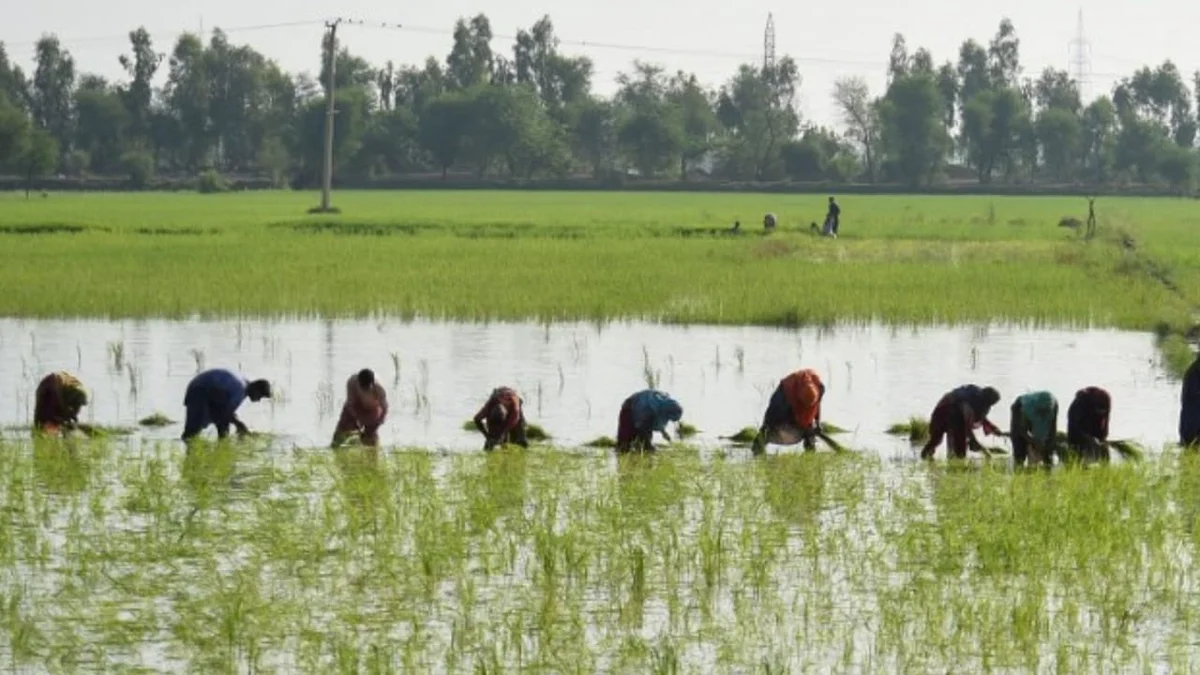
The anticipated arrival of El Nino is significantly disrupting the Indian monsoon season, creating uncertainty for the country’s agricultural sector. As the monsoon, which typically begins in June, experiences critical delays, farmers across the nation face challenges in the timely planting of essential kharif crops such as rice, cotton, and millet.
Reports indicate that the lack of initial rainfall is a pressing concern for the nation's agricultural economy. This delay in the monsoon is particularly severe in central India and the Deccan region, including states like Rajasthan, Gujarat, and Maharashtra. These areas are vital for the production of major crops like soybean, sugarcane, and cotton, and the current dry spell threatens to impact overall productivity.
El Nino India monsoon: What This Means for Farmers
The current weather uncertainty directly impacts farming operations and market stability. For farmers, the primary concerns include:
- Delayed Sowing: The late onset of the monsoon directly hinders the planting schedule for kharif crops, which is essential for successful yields.
- Production Risks: Regions responsible for a large share of national crop production are currently facing severe dry conditions, which may reduce output for staple crops.
- Market and Price Volatility: The scarcity of rainfall and potential yield impacts can influence the availability of essential commodities. For example, reports from Nashik—a key onion production hub—show rainfall levels at just 16 per cent of the long-term average, raising concerns about potential price fluctuations.
- Economic Pressure: The broader agricultural landscape, valued at approximately $300 billion, is sensitive to these weather patterns. Reduced production can lead to wider economic repercussions, including inflationary pressure on essential items like cooking oil and sugar.
While India has improved its agricultural infrastructure through better irrigation and crop science, the unpredictability of climate-driven weather patterns like El Nino remains a significant hurdle. Farmers and stakeholders continue to monitor rainfall closely, as the current situation mirrors the potential for one of the weakest monsoons in over a decade. The government’s history of managing supply chains through export restrictions highlights the potential for future policy adjustments to stabilize domestic market needs should the dry spell persist.
Source: The Csr Journal