Fragmented Monsoon Patterns Leave Large Swaths of India Vulnerable
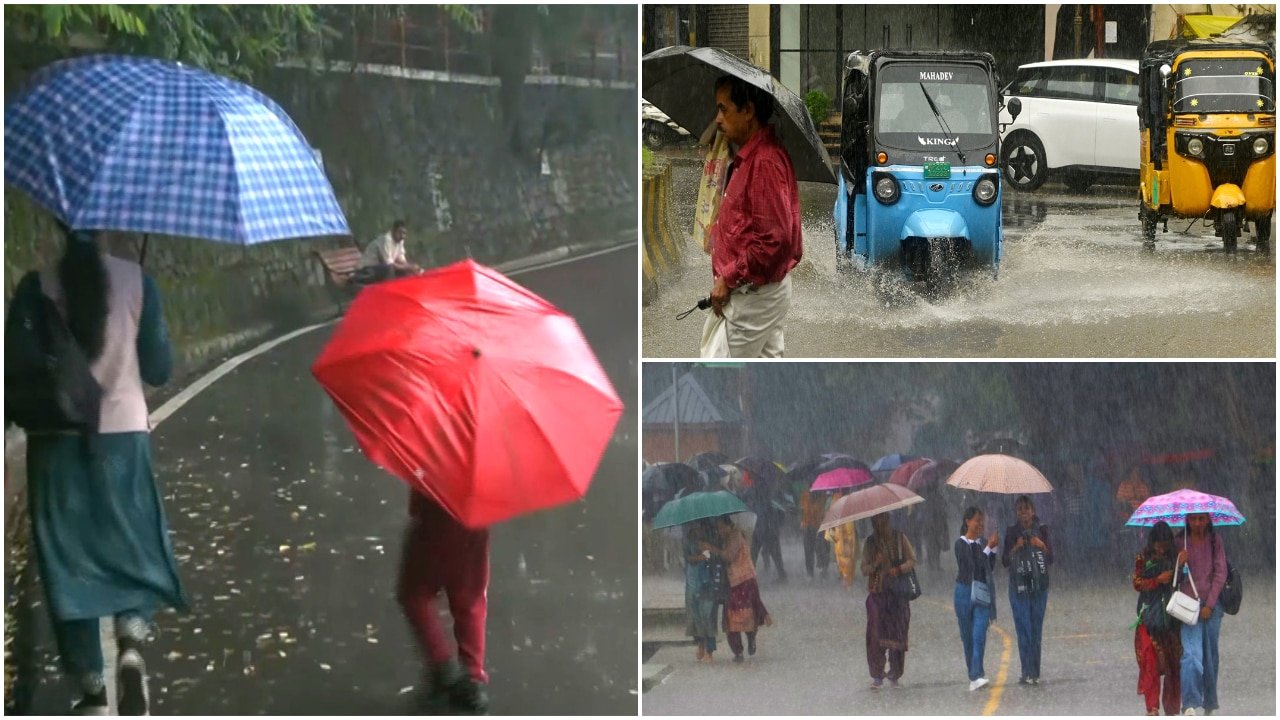
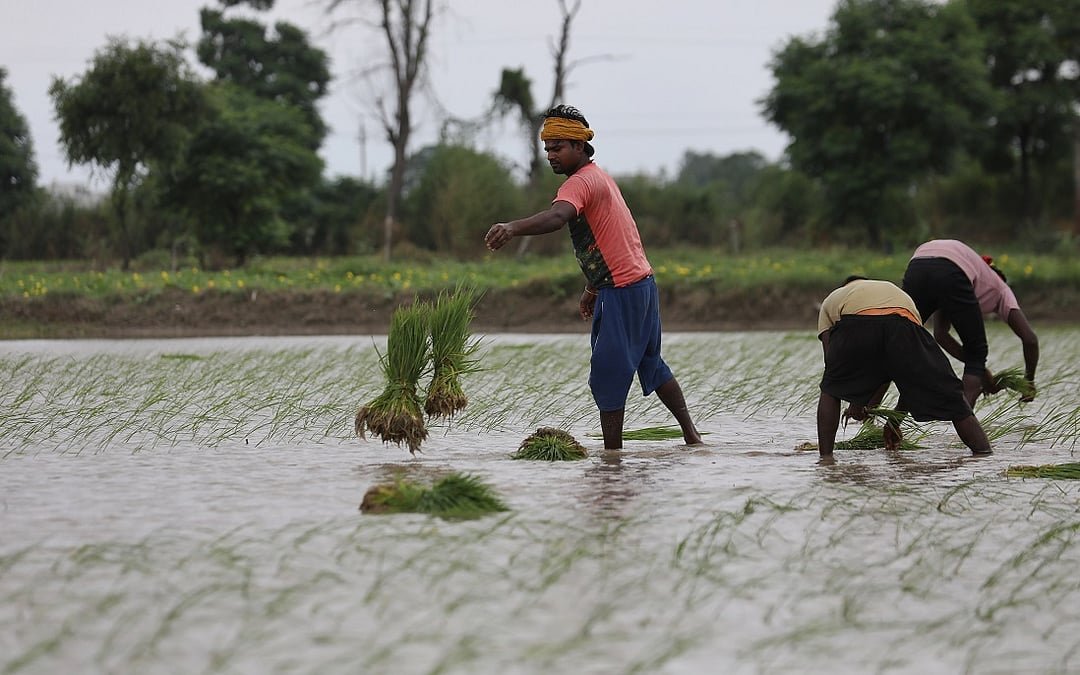
The paradox of the current agricultural season is becoming increasingly stark: while heavy, localized rainfall events have triggered flooding in several regions, a significant portion of the Indian landscape remains entrenched in drought-like conditions. Recent meteorological assessments indicate that more than a third of the country is grappling with moisture deficiency, creating a precarious environment for the ongoing kharif crop cycle. This phenomenon of "dry spells within a wet season" is redefining the challenges faced by the farming community, as the erratic nature of the monsoon fails to provide the consistent soil moisture necessary for optimal crop development.
The fundamental issue lies in the transition from steady, widespread rainfall to high-intensity, short-duration downpours. These rapid bursts of precipitation often lead to excessive surface runoff, preventing the water from infiltrating deep into the soil profile. Consequently, despite high rainfall statistics in certain districts, the root zones of primary kharif crops—such as paddy, pulses, and oilseeds—are experiencing acute moisture stress. This hydrological imbalance has disrupted the standard growth trajectory of crops, leaving them vulnerable to wilting during the critical vegetative and flowering stages.
The Compounding Crisis: Soil Degradation and Groundwater Over-Extraction
The impact of uneven rainfall is being exacerbated by declining soil health and a heavy reliance on groundwater reserves. As the soil moisture swings between saturation during flash floods and rapid depletion during prolonged dry intervals, the physical structure of the earth is being compromised. Soil compaction and reduced organic carbon levels diminish the land’s natural water-retention capacity, turning what should be a resilient medium into a fragile asset that dries out within days of a rainfall event.
To compensate for these erratic weather patterns, farmers are increasingly turning to groundwater extraction. The surge in irrigation demand during these intermittent dry spells is placing immense pressure on aquifers that were already under stress due to long-term over-exploitation. This systemic reliance on pumping is not only increasing the operational costs for producers but is also creating a dangerous trajectory for the upcoming rabi season. When groundwater tables are depleted during the kharif season, the availability of water for winter-sown crops—which rely almost entirely on stored soil moisture and irrigation—becomes significantly constrained, setting the stage for a potential double-hit to agricultural productivity.
What This Means for Farmers
The current climate volatility requires a shift in both agronomic strategy and long-term farm management. For producers facing these conditions, the implications are both immediate and structural:
- Prioritize Soil Moisture Conservation: Farmers should urgently adopt techniques such as mulching, the use of cover crops, and the application of organic matter to improve soil structure. Enhancing the soil’s ability to hold water is the most effective defense against the rapid evaporation that follows heavy, uneven rain.
- Optimize Irrigation Efficiency: With groundwater levels under pressure, shifting toward precision irrigation methods like drip or micro-sprinklers can reduce waste and ensure that water is directed precisely to the root zone, rather than being lost to evaporation or runoff.
- Monitor Crop Stress Indicators: Producers must remain vigilant for early signs of moisture stress—such as leaf rolling or color changes—and intervene early. In areas where water is scarce, supplemental irrigation should be prioritized during the most sensitive growth phases rather than applied uniformly throughout the season.
- Plan for the Rabi Season: Given the current depletion of aquifers, farmers should begin evaluating their water security for the upcoming winter cycle. If groundwater levels remain low, consider selecting drought-tolerant crop varieties or adjusting planting schedules to align with available moisture resources, thereby mitigating the risk of total crop failure.
- Diversification as a Risk Hedge: Integrating climate-resilient crops that require less water can provide a buffer against the unpredictability of the monsoon. Diversifying the cropping pattern helps distribute risk, ensuring that the entire farm output is not tied to a single moisture-sensitive variety.
Ultimately, the current situation serves as a sobering reminder of the need for climate-smart infrastructure. While farmers have little control over the timing of the monsoon, the adoption of moisture-retention practices and a cautious approach to groundwater management remain the most effective tools for navigating this season of uncertainty.