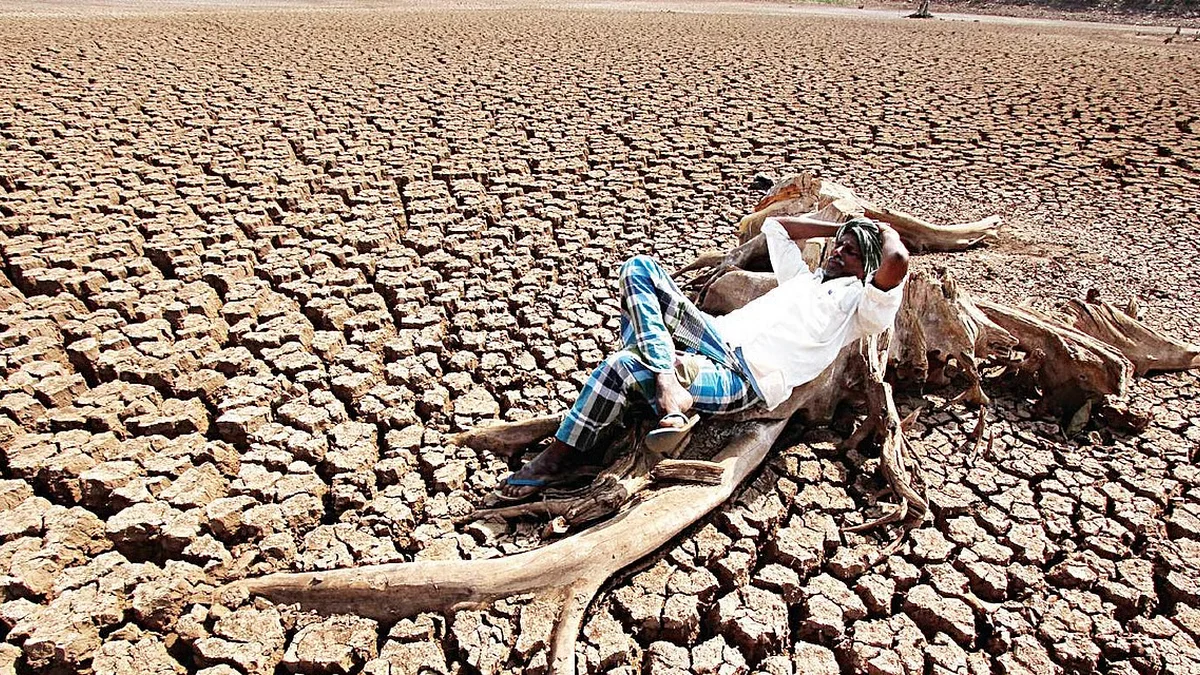
New moth bean varieties developed by the ICAR-Central Arid Zone Research Institute (ICAR-CAZRI) have demonstrated strong resilience during the prolonged moisture stress observed in the Kharif 2026 season. These findings highlight the potential of these new strains for farmers operating in arid and moisture-sensitive regions.
Understanding the Resilience of New Moth Bean Varieties
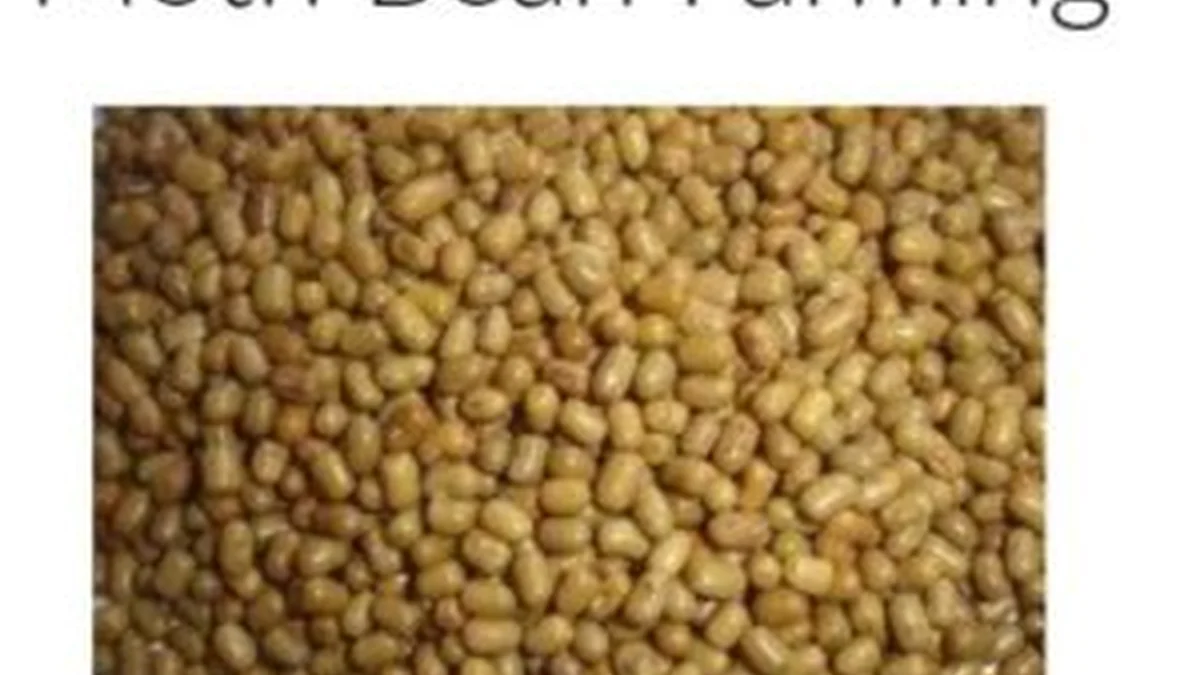
Moth bean, scientifically known as Vigna aconitifolia, is widely recognized as a short-duration pulse crop favored for its drought-resistant characteristics. Also known as mat bean, Turkish gram, or dew bean, this crop is a staple in regions where water availability is a constant challenge for agricultural productivity.
The performance of these four new moth bean varieties under the specific moisture stress conditions of Kharif 2026 suggests a significant development for pulse cultivation. By maintaining resilience during periods of limited rainfall, these varieties aim to provide a more stable yield for farmers who rely on this hardy pulse crop.
Why Moth Bean Matters for Farmers
Moth bean remains one of the most essential pulses due to its ability to thrive in harsh environments. As a short-duration crop, it allows for efficient land use within the Kharif cropping cycle. The recent success of ICAR-CAZRI's research underscores the importance of choosing resilient seeds to mitigate risks associated with unpredictable weather patterns and moisture deficits.