
Centre Authorizes Rs 2,117.85 Crore Advance SDRF Relief for Flood-Affected States
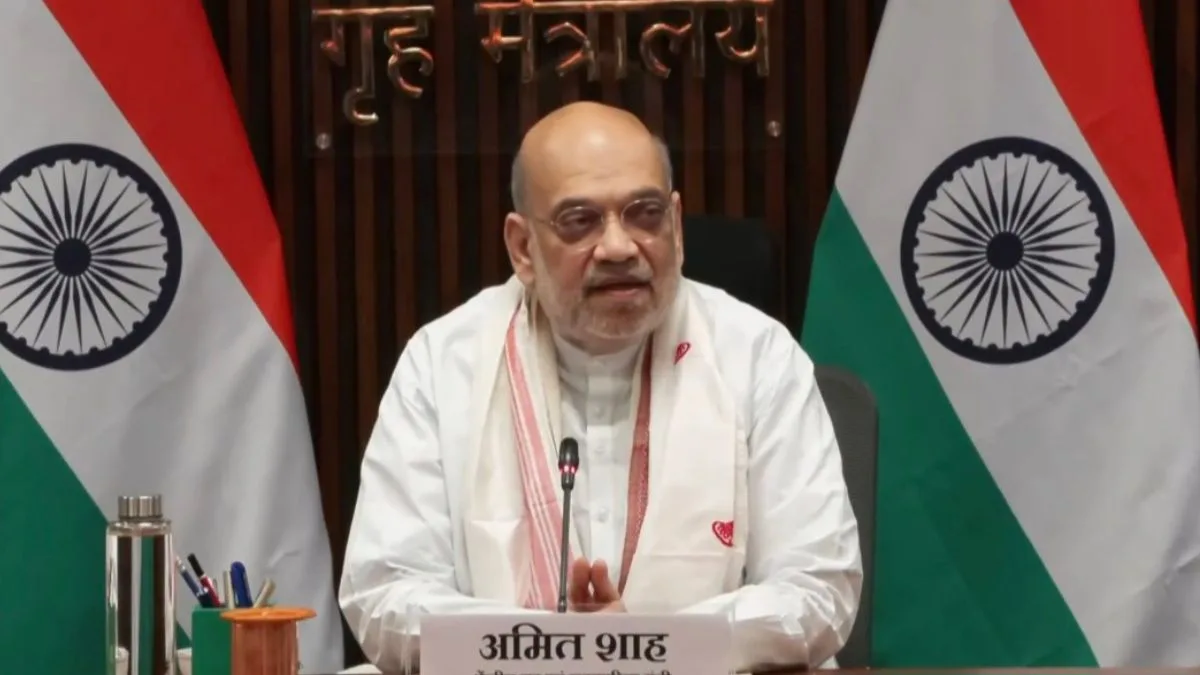
In a decisive move to bolster disaster response capabilities during the peak of the southwest monsoon, the Union Government has sanctioned the advance release of Rs 2,117.85 crore from the Central share of the State Disaster Response Fund (SDRF). The announcement, directed by Union Home Minister and Minister of Cooperation Amit Shah, aims to provide immediate financial liquidity to seven states currently grappling with severe flooding and heavy rainfall. This proactive fiscal measure is designed to ensure that state administrations have the necessary resources to carry out urgent rescue operations, provide essential relief to displaced populations, and initiate preliminary rehabilitation efforts in the wake of seasonal agricultural and infrastructural damage.
Strengthening Disaster Resilience in the Monsoon Belt
The southwest monsoon is the lifeblood of Indian agriculture, yet its intensity often brings significant challenges, including flash floods, landslides, and widespread waterlogging. The release of these funds is part of a broader government strategy to institutionalize disaster management, ensuring that state-level authorities do not face resource constraints during the critical window of emergency response. By releasing the Central share of the SDRF in advance, the Ministry of Home Affairs is effectively shortening the bureaucratic lag that often hinders rapid intervention.
These funds are earmarked for a variety of critical functions, including the operation of temporary shelters, the distribution of food and medical supplies, and the restoration of essential public infrastructure. Beyond immediate relief, the SDRF is also utilized for the repair of rural connectivity networks, which are vital for ensuring that agricultural produce can reach markets even during periods of inclement weather. The focus remains on maintaining the continuity of basic services in rural regions, which are typically the most vulnerable to the economic shocks triggered by extreme weather events.
Economic Stability Amidst Climatic Volatility
The timing of this financial infusion is particularly significant for the agricultural sector. As large tracts of land face inundation, the risk of crop damage and livestock loss increases, threatening the economic stability of farming communities. The advance SDRF assistance provides states with the flexibility to deploy resources toward the mitigation of these risks before they escalate into long-term financial crises. This includes the management of water drainage systems and the provision of emergency veterinary support for livestock affected by floodwaters.
Furthermore, the government’s approach underscores the importance of the State Disaster Response Fund as a primary mechanism for intergovernmental cooperation. By providing the Central share upfront, the Union Government empowers states to supplement their own disaster preparedness budgets, ensuring a more cohesive and robust response across different administrative levels. This synergy between the Centre and the states is essential for maintaining the momentum of agricultural activities that characterize the Kharif season, despite the challenges posed by an erratic monsoon.
What This Means for Farmers
For the farming community, the release of this assistance carries several practical and economic implications:
- Restoration of Rural Infrastructure: The funds will prioritize the repair of damaged rural roads and irrigation channels, which are essential for timely field operations and the logistical flow of fertilizers, seeds, and harvested crops.
- Emergency Relief and Support: Farmers affected by waterlogging or destruction of farm assets can expect more streamlined delivery of relief services, including immediate access to shelter, clean water, and basic necessities, which helps minimize the personal impact of natural disasters.
- Institutional Support for Recovery: While the SDRF is primarily for immediate relief, the stabilization of the local economy through these funds creates a more predictable environment for farmers to begin their post-flood recovery, including the replanting of crops where feasible and the management of soil health.
- Proactive Risk Management: Farmers are encouraged to stay in close contact with local agricultural extension offices and District Disaster Management Authorities. Being aware of the relief mechanisms available under the SDRF can ensure that affected households are correctly identified for assistance, facilitating a faster return to normal farming operations.
Ultimately, this financial support serves as a critical buffer, helping to insulate the agricultural sector from the most severe consequences of the monsoon's volatility and ensuring that the farming economy remains resilient throughout the remainder of the cropping season.


