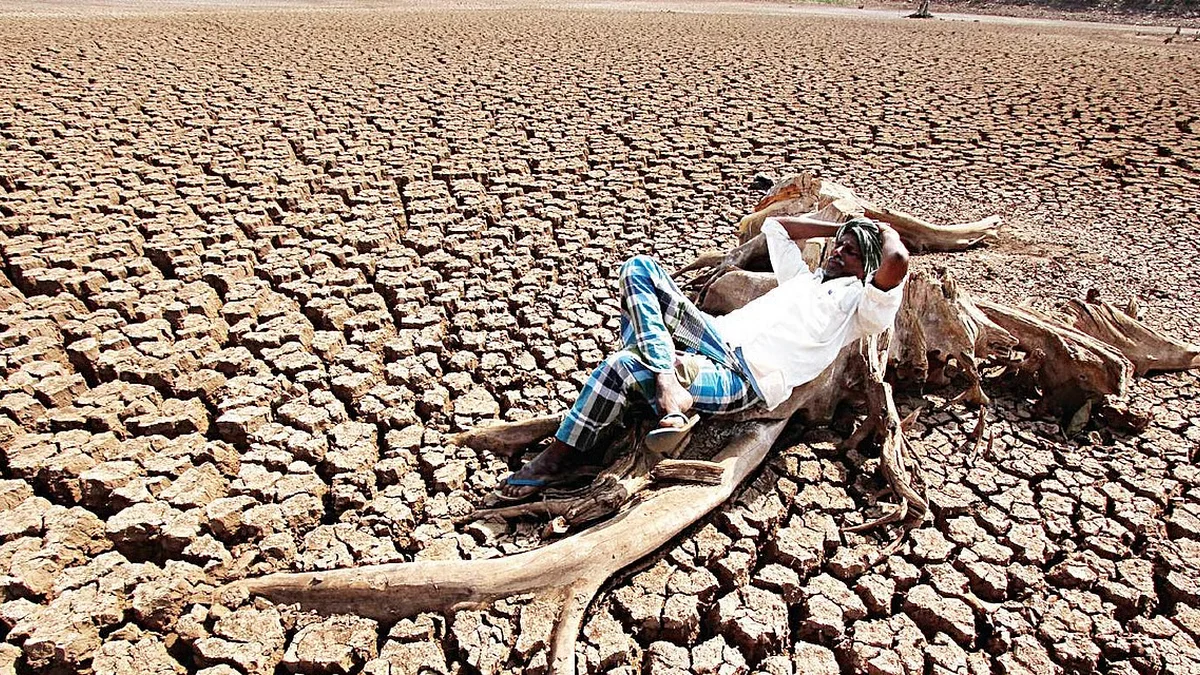

August Monsoon Forecast Signals Potential Stress for India’s Agricultural Heartland
The India Meteorological Department (IMD) has issued a sobering outlook for the remainder of the southwest monsoon season, signaling that August—a critical month for the maturation of kharif crops—is likely to experience rainfall below 94% of the long-period average. This downward revision in precipitation expectations has sent a ripple of concern through the agricultural sector, as the monsoon remains the primary driver of India’s rural economy and food security framework.
The forecast comes at a pivotal juncture in the agricultural calendar. While June and July saw varied rainfall distributions, August is traditionally the month when moisture levels must remain consistent to support the vegetative growth of major staples, including rice, pulses, and oilseeds. The IMD’s latest assessment suggests that the anticipated deficit could disrupt the delicate hydrological balance required for optimal crop yields, potentially forcing a reassessment of national output projections for the current season.
The Influence of El Niño on Regional Precipitation
At the heart of the current meteorological instability is the influence of El Niño, a climate pattern characterized by the warming of sea surface temperatures in the equatorial Pacific Ocean. This phenomenon is historically associated with suppressed rainfall across the Indian subcontinent. Climate scientists have observed that the current El Niño conditions are exerting a suppressive force on the monsoon’s moisture-bearing winds, leading to a weaker-than-anticipated performance of the seasonal cycle.
The weakening of these rain-bearing systems is not merely a matter of total volume; it is the distribution and intensity of the rainfall that poses the greatest risk. Intermittent dry spells during the critical reproductive stages of crops can lead to significant moisture stress, even in areas that might have received sufficient rain earlier in the season. As the soil moisture depletes under the heat of a lagging monsoon, the physiological health of standing crops faces an increased risk of stunted growth and diminished grain filling, which are essential components of a successful harvest.
Water Resource Management and Economic Implications
Beyond the immediate impact on crops, a deficit in August rainfall places substantial pressure on India’s water management infrastructure. Reservoirs and groundwater tables, which are heavily recharged during the peak monsoon months, may fail to reach their full capacity. This shortfall has long-term economic consequences, as it limits the availability of irrigation water for the subsequent rabi (winter) cropping season. When reservoir levels remain below optimal thresholds, the cost of irrigation increases for farmers who must rely on energy-intensive pumping methods to sustain their fields.
The economic ripple effects extend to the national supply chain. Food inflation remains a sensitive metric for the broader economy, and concerns regarding yield losses in staple crops often lead to market volatility. As the IMD continues to monitor the situation, policymakers and agricultural stakeholders are weighing the need for enhanced water conservation measures and the potential for shifts in crop management strategies to mitigate the impact of the anticipated dry conditions.
What This Means for Farmers
For the farming community, the IMD’s forecast necessitates a strategic pivot toward risk mitigation and resource efficiency. Farmers are advised to prioritize the following actions to safeguard their yields:
- Moisture Conservation: Implement soil moisture conservation techniques, such as mulching and the creation of micro-bunds, to retain existing water in the root zone for as long as possible.
- Prioritize Irrigation: If available, irrigation resources should be directed toward crops currently in their most moisture-sensitive growth stages, such as the flowering or grain-filling phases.
- Integrated Nutrient Management: Avoid over-application of nitrogenous fertilizers during periods of water stress, as this can increase the plant's demand for water and lead to "burning" of the crop. Focus instead on potassium-based fertilizers, which can help crops regulate water loss and enhance drought resistance.
- Market Monitoring: Stay informed on local agricultural advisory services and district-level weather updates. Being aware of the specific timing of dry spells can help in planning the application of protective irrigation or, in extreme cases, the salvage of fodder crops.
- Crop Diversification Planning: While the current kharif season is well underway, the prospect of a dry August serves as a reminder to consider climate-resilient crop varieties and shorter-duration hybrids for future seasons, which are better equipped to withstand erratic monsoon patterns.
While the monsoon forecast presents a significant challenge, proactive field management and close coordination with local agricultural extension offices can help mitigate the worst effects of the rainfall deficit. Farmers are encouraged to focus on precision in their field operations to ensure that every drop of available moisture is utilized to its maximum potential.
Source: Financial Express , Read To Lead