
Devastating Monsoon Deluge Impacts Four Indian States; Death Toll Climbs Amid Fresh Meteorological Warnings
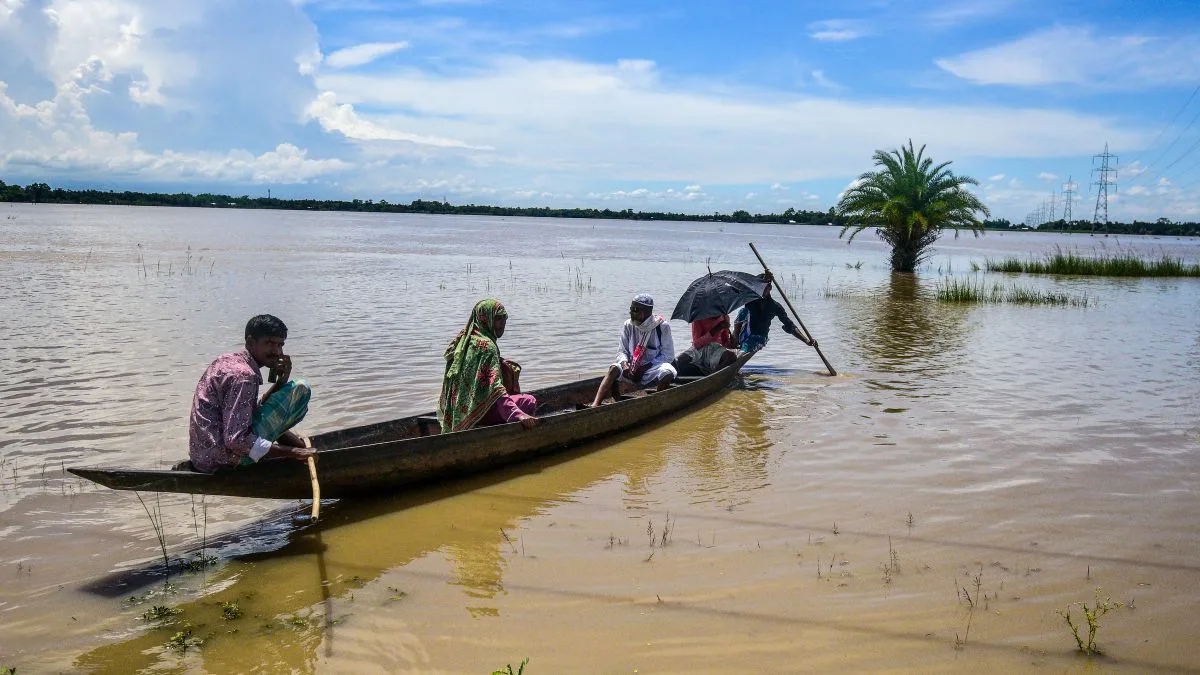
The 2026 monsoon season has taken a catastrophic turn as severe flooding continues to ravage wide swaths of India, leaving a trail of destruction across Assam, Kerala, Chhattisgarh, and Gujarat. Official reports confirm that the death toll has reached 92, with thousands of residents displaced and critical agricultural infrastructure facing unprecedented damage. As rescue operations remain underway, the India Meteorological Department (IMD) has issued fresh weather alerts, signaling that the respite from heavy rainfall may be short-lived for the affected regions.
Regional Impact and Infrastructure Strain
The geographical diversity of the affected states highlights the widespread nature of this climate event. In Assam, the perennial challenge of the Brahmaputra River overflowing has once again led to massive inundation of low-lying areas. The floodwaters have submerged vast stretches of paddy fields, threatening the livelihoods of smallholder farmers who rely on the summer crop cycle. Infrastructure, including rural road networks and irrigation channels, has sustained significant structural damage, complicating the delivery of essential supplies to remote villages.
In the southern state of Kerala, the challenge is compounded by the region’s topography. Heavy, persistent rainfall has triggered localized landslides and flash floods in high-altitude districts. Meanwhile, in Gujarat and Chhattisgarh, the intensity of the precipitation has overwhelmed municipal drainage systems and inundated expansive agricultural plains. The scale of the flooding has necessitated the deployment of disaster management teams to facilitate evacuations and provide emergency aid to communities cut off by rising water levels.
Meteorological Outlook and Long-Term Implications
The IMD’s recent bulletins emphasize the persistence of low-pressure systems contributing to the erratic and intense rainfall patterns observed this season. Meteorological experts point to the shift in moisture-laden winds from the Arabian Sea and the Bay of Bengal as primary drivers of the current crisis. These systems are not only bringing high-volume rainfall but are also accompanied by gusty winds that have caused extensive lodging in standing crops, a phenomenon where stalks bend or break, making mechanical harvesting difficult and significantly reducing yields.
Beyond the immediate human tragedy, the agricultural sector faces a period of prolonged instability. Saturated soil conditions have halted fieldwork, preventing timely weeding and fertilizer application. Furthermore, the prolonged waterlogging increases the susceptibility of crops to fungal infections and root rot, which may lead to secondary yield losses even after the floodwaters recede. Agronomists are monitoring the situation closely, noting that the combination of high humidity and standing water creates a breeding ground for pests and pathogens that could threaten the remainder of the growing season.
What This Means for Farmers
For the farming community, the current situation demands a transition from immediate crisis management to strategic recovery planning. Farmers in the affected regions should consider the following actionable steps:
- Prioritize Field Drainage: Where possible, creating temporary channels to divert standing water is essential to prevent permanent crop death. Aerating the soil post-flood is critical for root health.
- Assess Crop Damage: Once the water recedes, conduct a thorough assessment of crop viability. If a crop is beyond recovery, consult with local agricultural extension offices regarding the feasibility of short-duration, flood-tolerant catch crops to minimize financial losses.
- Implement Disease Management: Post-flood conditions are ideal for the rapid spread of blight and rot. Farmers should prepare to apply appropriate fungicides once soil conditions permit vehicle access, ensuring that applications are timed to maximize efficacy.
- Document Losses for Insurance: Detailed documentation, including photographs of damaged fields and records of input costs, is vital for filing insurance claims or accessing government disaster relief programs. Farmers are encouraged to keep accurate records to facilitate the assessment process.
- Monitor Market Volatility: Widespread crop loss in major producing states often leads to market instability. Farmers should monitor local procurement trends and maintain communication with cooperative societies to understand the potential impact on commodity prices and supply chain requirements.
As the IMD warnings remain active, the agricultural community is advised to stay updated through official channels and prioritize safety. The path to recovery will require a coordinated effort between local authorities and the farming community to restore land productivity and ensure food security for the coming months.


