Strategic Expansion of Agricultural Infrastructure: Dahegam APMC to Unveil New Vegetable Sub-Yard
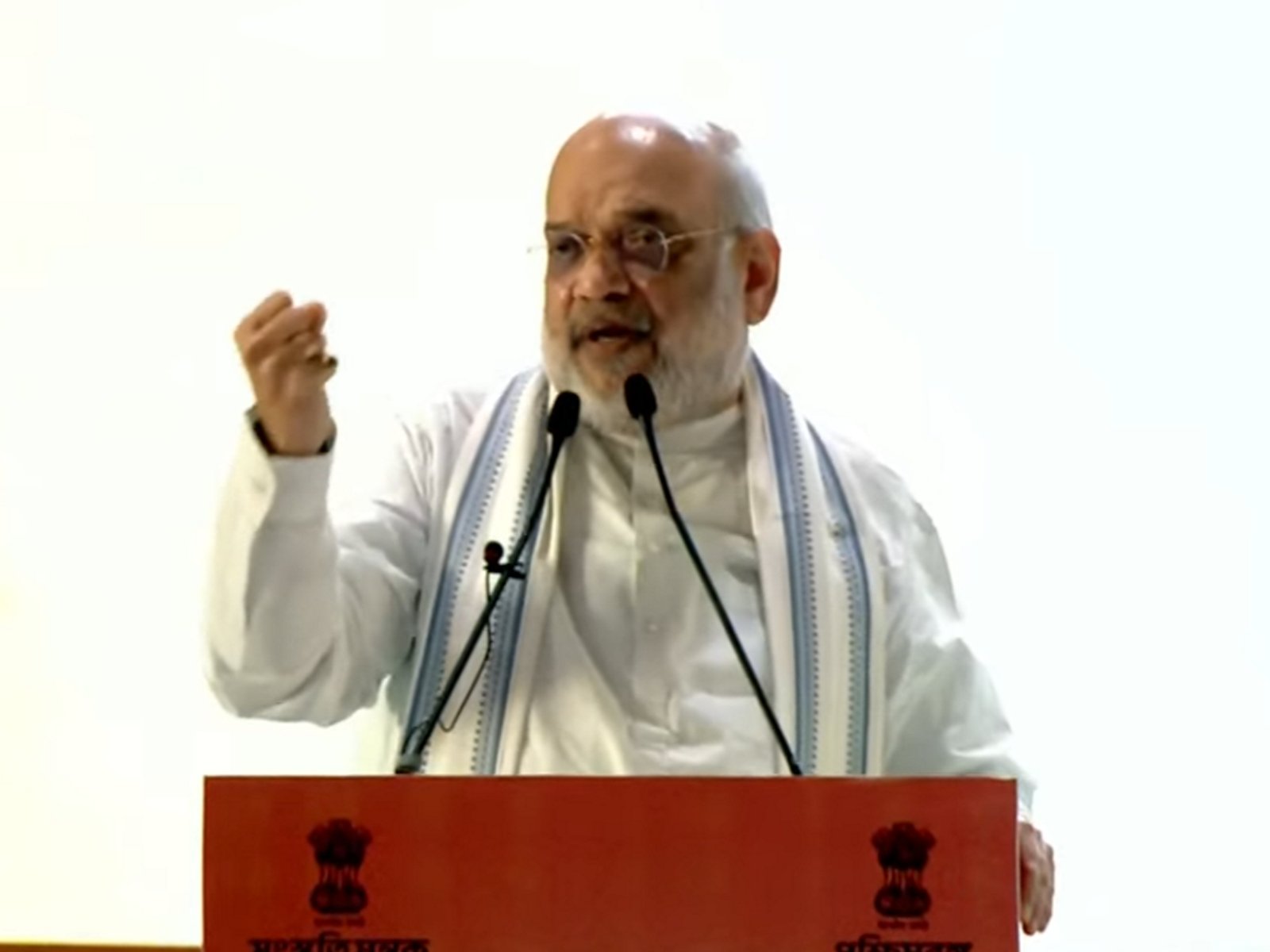
The agricultural landscape in Gujarat is set to see a significant upgrade in logistical efficiency and market accessibility this week. Union Home Minister Amit Shah is scheduled to visit the Dahegam Agricultural Produce Market Committee (APMC) on July 13 to formally inaugurate a new, specialized vegetable sub-yard. This development marks a pivotal shift in how local produce is handled, processed, and distributed, reflecting a broader governmental push toward strengthening the rural economy through improved infrastructure.
The establishment of this sub-yard is designed to alleviate the logistical bottlenecks that often plague perishable goods supply chains. By providing a dedicated space for vegetable trading, the APMC aims to streamline the movement of produce from the farm gate to the consumer, reducing the time between harvest and sale. This initiative is not merely about increasing physical space; it represents a modernization effort intended to integrate technology and efficient trade practices into the daily operations of local farmers.
Enhancing Market Efficiency and Reducing Post-Harvest Losses
The primary objective of the new vegetable sub-yard is to curb post-harvest losses, a chronic challenge for vegetable growers. In traditional market settings, inadequate storage and handling facilities often lead to rapid spoilage of high-moisture crops, forcing farmers to sell their yield at depressed prices to avoid total loss. The new facility is expected to feature upgraded handling areas that allow for better sorting, grading, and temporary storage of vegetables.
Beyond the physical infrastructure, the sub-yard is slated to incorporate environmental initiatives aimed at promoting sustainability within the agricultural sector. As markets evolve to meet modern standards, the integration of waste management systems, water conservation practices, and energy-efficient lighting within the new yard underscores a commitment to "green" agricultural commerce. By centralizing vegetable trade, the APMC can better monitor market flows, ensure price transparency, and facilitate a more orderly auction process, which in turn fosters a more competitive environment for local producers.
Strengthening the Rural Economy and Market Connectivity
The inauguration of the sub-yard is also a symbolic step in the ongoing effort to empower rural agricultural communities. For small and marginal farmers, the proximity of a well-regulated market yard is essential for economic viability. By providing a dedicated hub for vegetable trade, the Dahegam APMC is effectively shortening the supply chain, which can lead to higher net realizations for the grower by cutting out unnecessary intermediaries.
Furthermore, this expansion is expected to attract a wider network of traders and bulk buyers to the Dahegam region. Increased market participation drives demand, stabilizes prices, and encourages farmers to diversify their cropping patterns. By moving away from a reliance on traditional, less efficient market setups, local growers can leverage the improved infrastructure to negotiate better terms, thereby enhancing their overall profitability and long-term financial stability.
What This Means for Farmers
For the farmers operating within the Dahegam vicinity, the inauguration of the new sub-yard offers several immediate and long-term advantages:
- Reduced Spoilage: Improved handling facilities mean that vegetables can be brought to market and traded with minimal degradation, preserving both quality and weight, which directly correlates to better pricing.
- Improved Price Discovery: A dedicated, modernized yard facilitates a more transparent auction process, ensuring that farmers receive fair market value based on current supply and demand dynamics rather than informal or exploitative pricing.
- Streamlined Logistics: With centralized trading, farmers can save significant time and transportation costs, allowing them to return to their fields faster and focus on production rather than spending excessive hours navigating fragmented market channels.
- Access to Market Information: These facilities often serve as information hubs where farmers can stay updated on market trends, government schemes, and best practices in post-harvest management, enabling more informed decision-making.
- Environmental Stewardship: By participating in a market that prioritizes sustainable practices, farmers are better positioned to meet the increasing demand for responsibly sourced produce, potentially opening doors to premium markets in the future.
Ultimately, the success of the new sub-yard will depend on the active participation of the farming community and the diligent management of the facility. As the agricultural sector continues to digitize and modernize, such infrastructure projects serve as the foundation for a more resilient and profitable future for India’s vegetable growers.