Unprecedented Monsoon Deluge Batters Ahmedabad
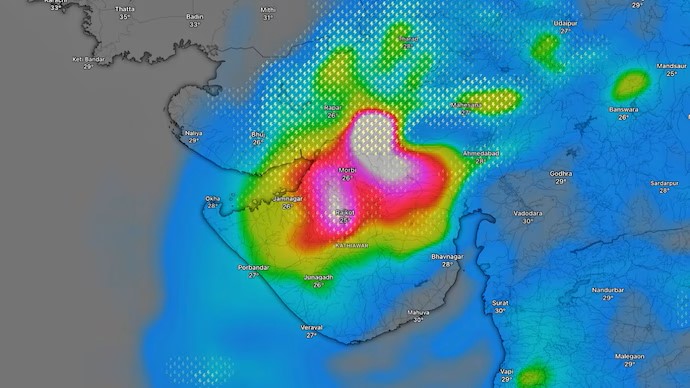
Ahmedabad is currently grappling with the aftermath of a historic weather event that has seen the city record one of its most significant rainfall totals of the 21st century. A potent and sustained monsoon system, characterized by high-moisture transport from the Arabian Sea, parked itself over the region, unleashing a torrential downpour that overwhelmed municipal drainage infrastructure and brought daily life to a standstill. The India Meteorological Department (IMD) confirmed that the city received a staggering 294.6 mm of rainfall within a single 24-hour window, a figure that far exceeds seasonal averages and highlights the increasing volatility of regional weather patterns.
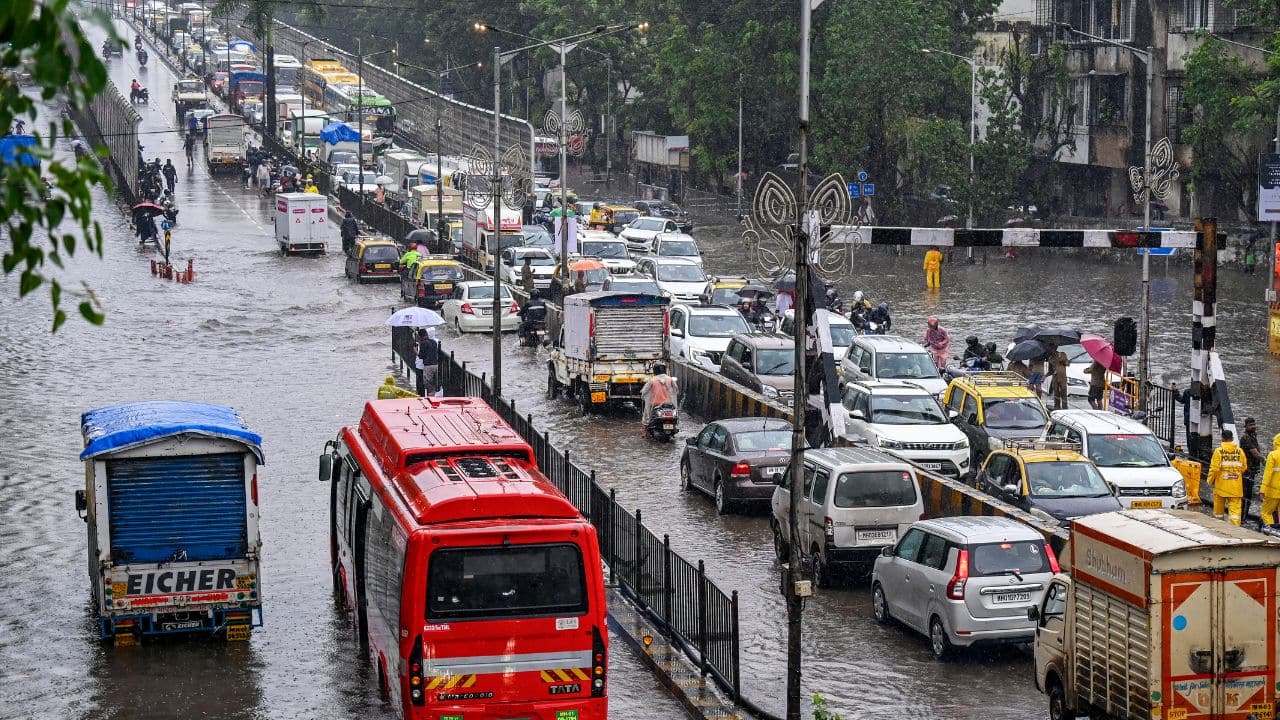
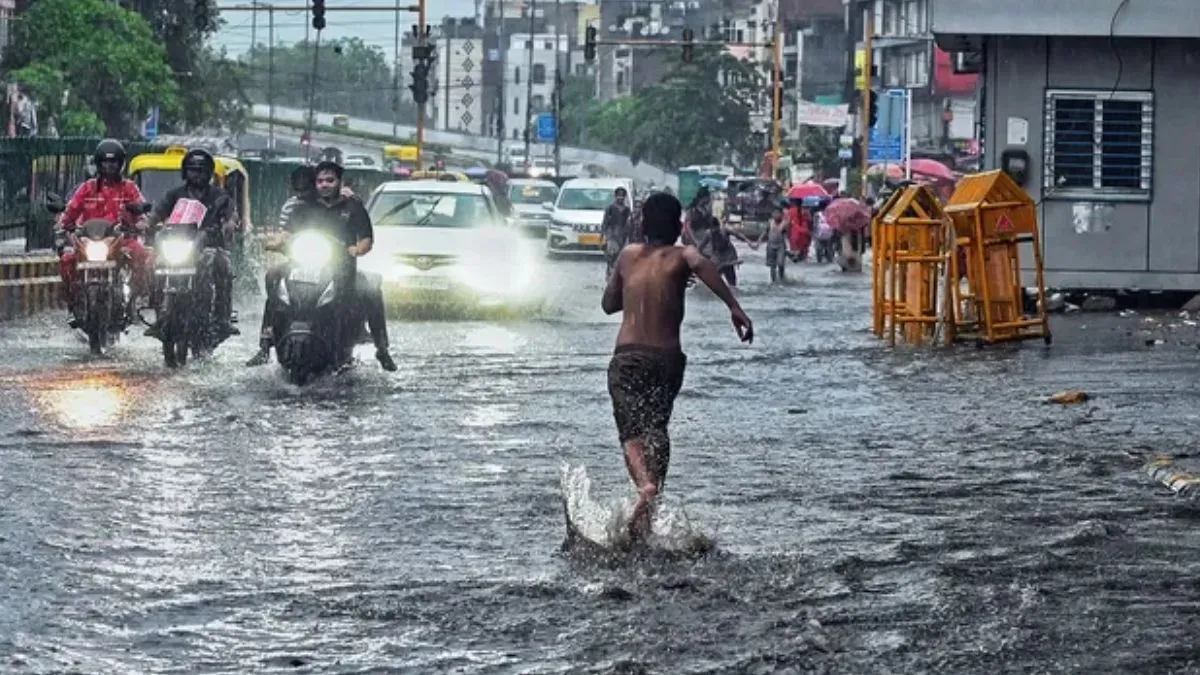
The intensity of the rainfall, which concluded early in the morning, transformed major thoroughfares into waterlogged corridors and submerged low-lying residential sectors. As the city works to restore normalcy, meteorologists are pointing toward a combination of low-pressure development and favorable wind shear as the primary catalysts for this localized extreme weather event. The sheer volume of precipitation in such a compressed timeframe has tested the limits of urban planning, leading to widespread disruptions in public transportation, utility services, and local supply chains.
Infrastructure and Urban Resilience Under Pressure
The flooding in Ahmedabad serves as a stark reminder of the challenges posed by extreme monsoon variability. When nearly 300 mm of rain falls in a single day, the hydraulic capacity of even the most robust urban drainage systems is inevitably challenged. Reports from across the city indicate that primary arterial roads, underpasses, and residential colonies experienced significant water accumulation, hindering emergency response teams and essential logistics.
Beyond the immediate physical damage to infrastructure, the event has prompted a broader discussion regarding disaster preparedness and long-term urban management. While city authorities mobilized pumping stations and emergency relief teams to mitigate the impact, the sheer scale of the deluge necessitated a shift toward emergency evacuation protocols in the most vulnerable areas. As the waters begin to recede, the focus is shifting toward the structural integrity of buildings, the prevention of waterborne diseases, and the restoration of power grids that were preemptively shut down to prevent electrical hazards.
What This Means for Farmers
For the agricultural community in the surrounding districts and the wider Gujarat region, this extreme rainfall event presents a complex set of economic and agronomic challenges. While monsoon moisture is the lifeblood of Kharif crops, there is a critical threshold between beneficial irrigation and catastrophic waterlogging.
Immediate Agronomic Risks: Excessive soil moisture in the aftermath of such a storm can lead to root rot, nutrient leaching, and the physical uprooting of young crops. Farmers are advised to prioritize field drainage as soon as conditions allow to prevent prolonged saturation, which can severely compromise crop yields. In standing fields, standing water increases the risk of fungal infections and blight, necessitating prompt scouting for signs of crop stress.
Input and Supply Chain Disruptions: The localized flooding of transport networks will likely lead to temporary spikes in the cost of logistics. Farmers should anticipate potential delays in the delivery of essential inputs, such as fertilizers and pesticides, as regional supply chains recover from the disruption. Furthermore, the inability to move produce to market centers may lead to localized price volatility for perishable goods.
Long-term Planning: This event underscores the necessity for farmers to incorporate climate-resilient practices into their operations. This includes the maintenance of farm-level drainage channels, the selection of flood-tolerant crop varieties, and the utilization of weather-indexed insurance products to hedge against the financial risks posed by extreme monsoon events. As the season progresses, farmers are encouraged to maintain close communication with local agricultural extension offices to receive updated advisories on soil health management and post-flood crop recovery strategies.
Ultimately, while the current deluge has caused significant short-term distress, the agricultural sector must remain vigilant in monitoring soil moisture levels and crop health over the coming weeks to mitigate any lingering impacts from this historic weather system.