ચોમાસામાં વિક્ષેપ: વ્યાપક ભારે વરસાદની ચેતવણીઓ વચ્ચે શાળાની કામગીરીમાં શોધખોળ
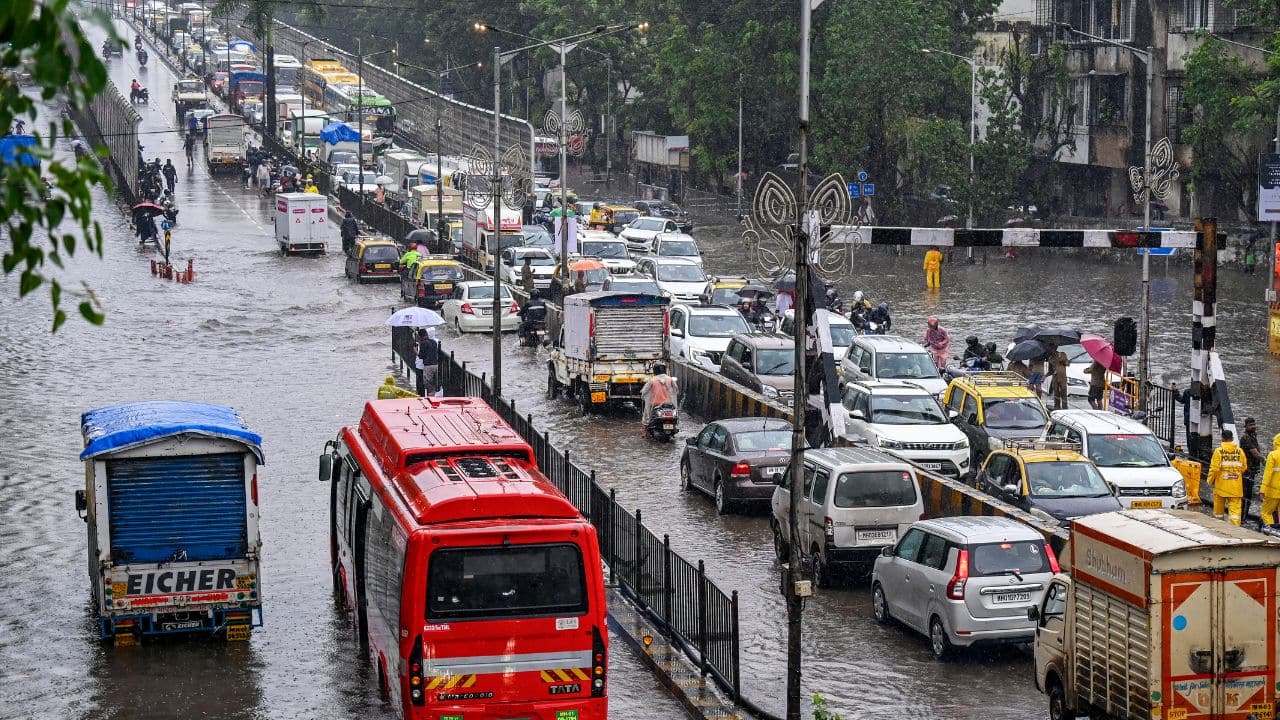
As the monsoon season reaches a period of intensified activity, millions of households across India are closely monitoring weather updates to determine the status of educational institutions. With the India Meteorological Department (IMD) issuing persistent alerts for heavy to very heavy rainfall across multiple states for July 30, uncertainty regarding school operations has become a primary concern for parents, students, and school administrators alike. Despite the severity of the forecast, no broad, statewide mandates for school closures have been issued by provincial governments at this time.
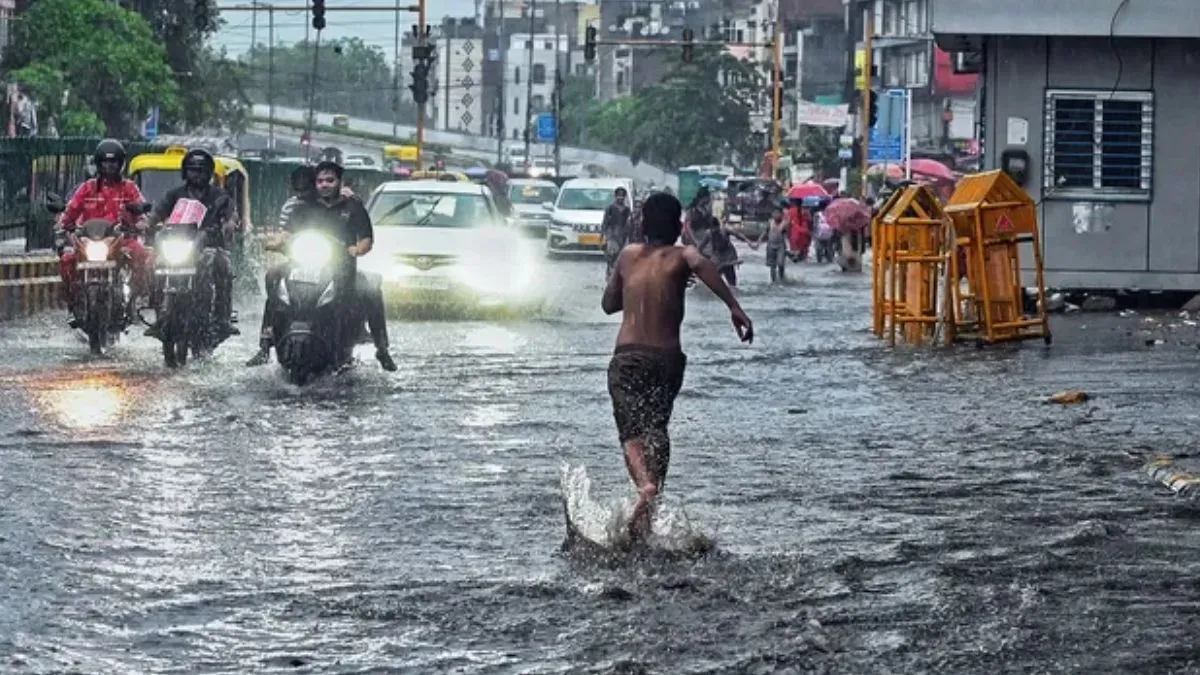
The current meteorological situation is characterized by an active monsoon trough, which is bringing significant precipitation to regions including the Delhi-National Capital Region (NCR) and Maharashtra. While these weather patterns are critical for agricultural replenishment and groundwater recharge, they pose logistical challenges for daily transit and infrastructure. As local administrations assess the potential for waterlogging, traffic congestion, and infrastructure strain, the responsibility for operational decisions has effectively been decentralized to the district level.
સ્થાનિક નિર્ણય લેવા તરફની શિફ્ટ
યુનિવર્સલ ક્લોઝર ડાયરેક્ટિવની ગેરહાજરી પ્રાદેશિક સત્તાવાળાઓ હવામાન-સંબંધિત વિક્ષેપોનું સંચાલન કેવી રીતે કરે છે તેમાં વ્યૂહાત્મક પરિવર્તન દર્શાવે છે. Rather than imposing blanket shutdowns that can unnecessarily hinder academic progress, state governments are empowering District Magistrates and local education officers to evaluate conditions on the ground. This localized approach allows for more precise interventions, where schools in low-lying or flood-prone areas may be shuttered for safety, while institutions in more resilient zones remain functional.
Meteorological experts emphasize that while the IMD provides the technical data regarding rainfall thresholds, the decision to close schools involves a complex assessment of local infrastructure. Factors such as the functionality of drainage systems, the accessibility of school bus routes, and the general state of public transportation are weighed heavily by local authorities. Consequently, a district-wide closure might be announced in one region due to severe waterlogging, while a neighboring district—despite receiving similar rainfall—may remain open due to better-equipped infrastructure and road networks.
અધિકૃત ચેનલો પર દેખરેખ રાખવા માટેના પ્રોટોકોલ્સ
કેન્દ્રિત જાહેરાતની ગેરહાજરીમાં, માહિતી એકત્ર કરવાનો બોજ સમુદાય પર પડે છે. Authorities have urged the public to avoid relying on unverified social media reports, which often circulate misinformation regarding school holidays. Official channels, including the websites of the District Collectorate, official government social media handles, and direct communication from individual school administrations, remain the only reliable sources for updates.
માતાપિતાઓને તેમના બાળકોની શાળાઓ સાથે સક્રિય સંચાર લાઇન સ્થાપિત કરવા પ્રોત્સાહિત કરવામાં આવે છે. ઘણી સંસ્થાઓએ વહેલી સવારે વિલંબ અથવા બંધ થવાના પરિવારોને ચેતવણી આપવા માટે સ્વચાલિત સૂચના સિસ્ટમ્સ લાગુ કરી છે. Furthermore, local news portals and government-run disaster management helplines provide real-time updates that are specific to municipal or district jurisdictions, ensuring that families can make informed decisions regarding student safety and transport.
ખેડૂતો માટે આનો અર્થ શું છે
જ્યારે શાળા બંધ થવા પરનું ધ્યાન ભારે વરસાદની શહેરી અસરને પ્રકાશિત કરે છે, ત્યારે કૃષિ અસરો પણ એટલી જ નોંધપાત્ર છે. ખેડૂત સમુદાય માટે, ચાલુ ચોમાસાની પ્રવૃત્તિ તકો અને જટિલ વ્યવસ્થાપન પડકારો બંને રજૂ કરે છે:
- Moisture Management: For farmers currently in the middle of the Kharif sowing season, the heavy rainfall is vital for crop development. જો કે, ખેતરોમાં વધુ પડતા પાણીના સંચયથી મૂળના સડો અને પોષક તત્વોના લીચિંગ થઈ શકે છે. ખેડૂતોને સલાહ આપવામાં આવે છે કે તે સુનિશ્ચિત કરે કે સ્થાયી પાકમાં પાણી ભરાતા અટકાવવા માટે ડ્રેનેજ ચેનલો સાફ કરવામાં આવે.
- Logistical Hurdles: Similar to the challenges faced by school transport, farmers may encounter difficulty moving produce to local mandis (wholesale markets). ભારે વરસાદ ગ્રામીણ રસ્તાઓને દુર્ગમ બનાવી શકે છે, જે નાશવંત માલસામાનની તાજગી અને વેચાણક્ષમતાને સંભવિતપણે અસર કરે છે. લણણી અને પરિવહનના સમયપત્રકને અસરકારક રીતે આયોજન કરવા માટે સ્થાનિક હવામાન ચેતવણીઓ પર નજર રાખવાની સલાહ આપવામાં આવે છે.
- પશુધનની સલામતી: વરસાદમાં વધારો થવાથી ઘણીવાર પશુધનમાં પાણીજન્ય રોગો અને પગના સડોમાં વધારો થાય છે. Farmers should prioritize keeping sheds dry, ensuring that fodder is stored in moisture-proof conditions, and keeping veterinary contact information readily available.
- Strategic Planning: Use the periods of heavy rain to focus on record-keeping and maintenance of farm machinery. Since field operations may be temporarily stalled, this is an opportune time to organize input supplies and plan for the next phase of the crop cycle once the weather clears.
By staying informed through official agricultural extension services and local meteorological updates, farmers can mitigate the risks associated with extreme weather while maximizing the benefits of the monsoon rains for their upcoming harvests.