Persistent Monsoon Rains Disrupt Daily Operations Across Delhi-NCR
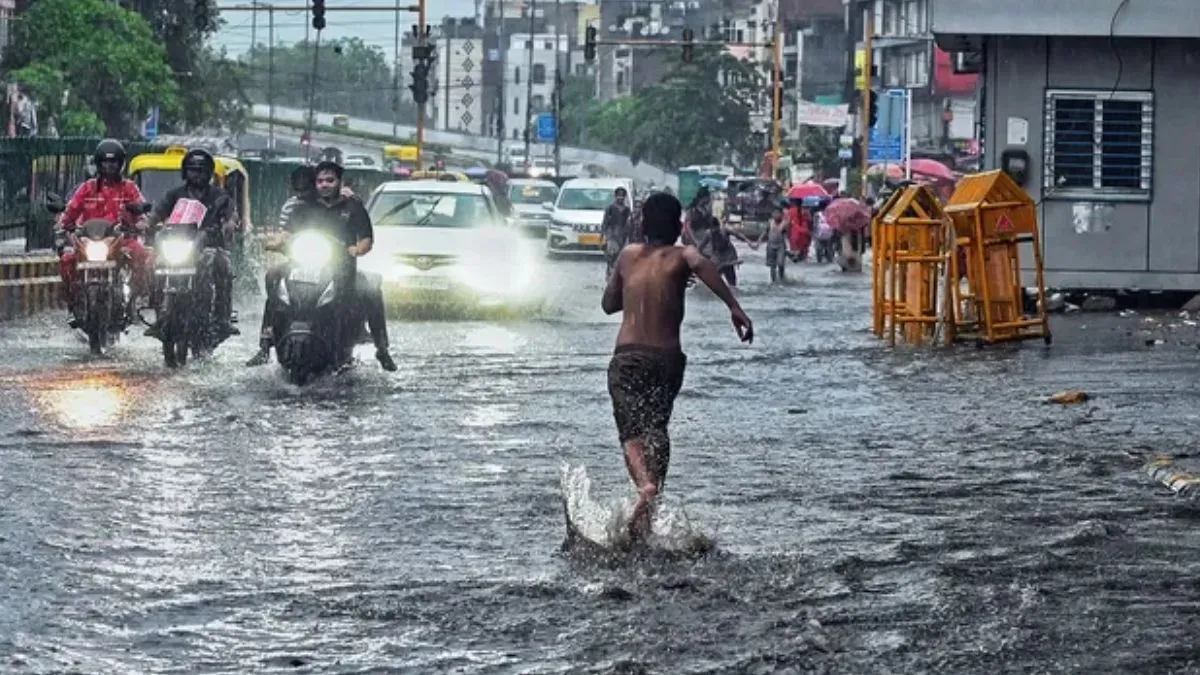
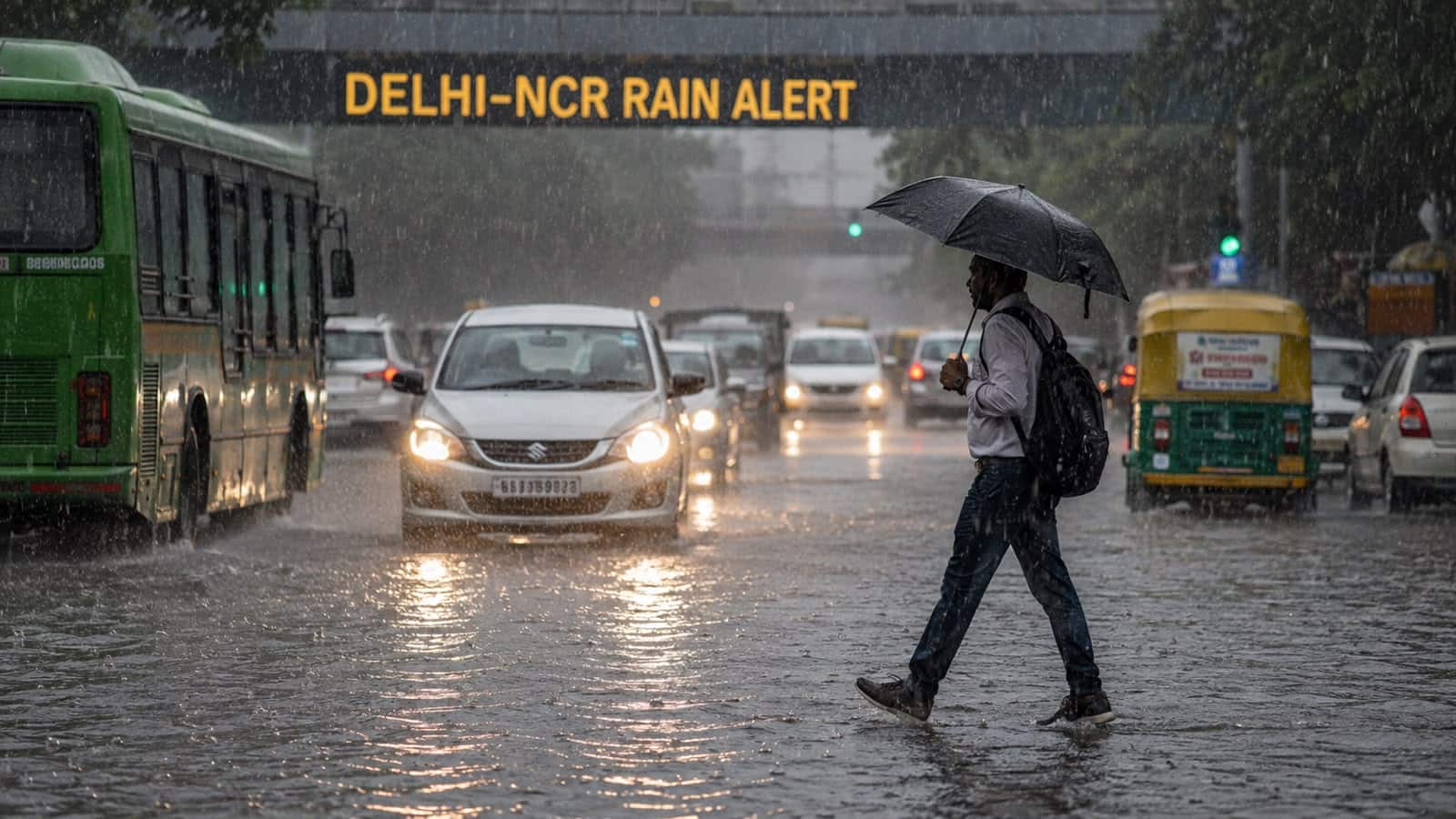
The National Capital Region (NCR) is once again grappling with the severe consequences of an active monsoon cycle as the India Meteorological Department (IMD) extends its heavy rainfall warning through August 8. The recent deluge has triggered widespread waterlogging in low-lying areas, causing significant disruptions to the flow of goods and services. For the agricultural supply chain, which relies heavily on the seamless connectivity of the NCR’s arterial road networks, these weather patterns represent a critical challenge to the timely movement of perishables and essential farm inputs.
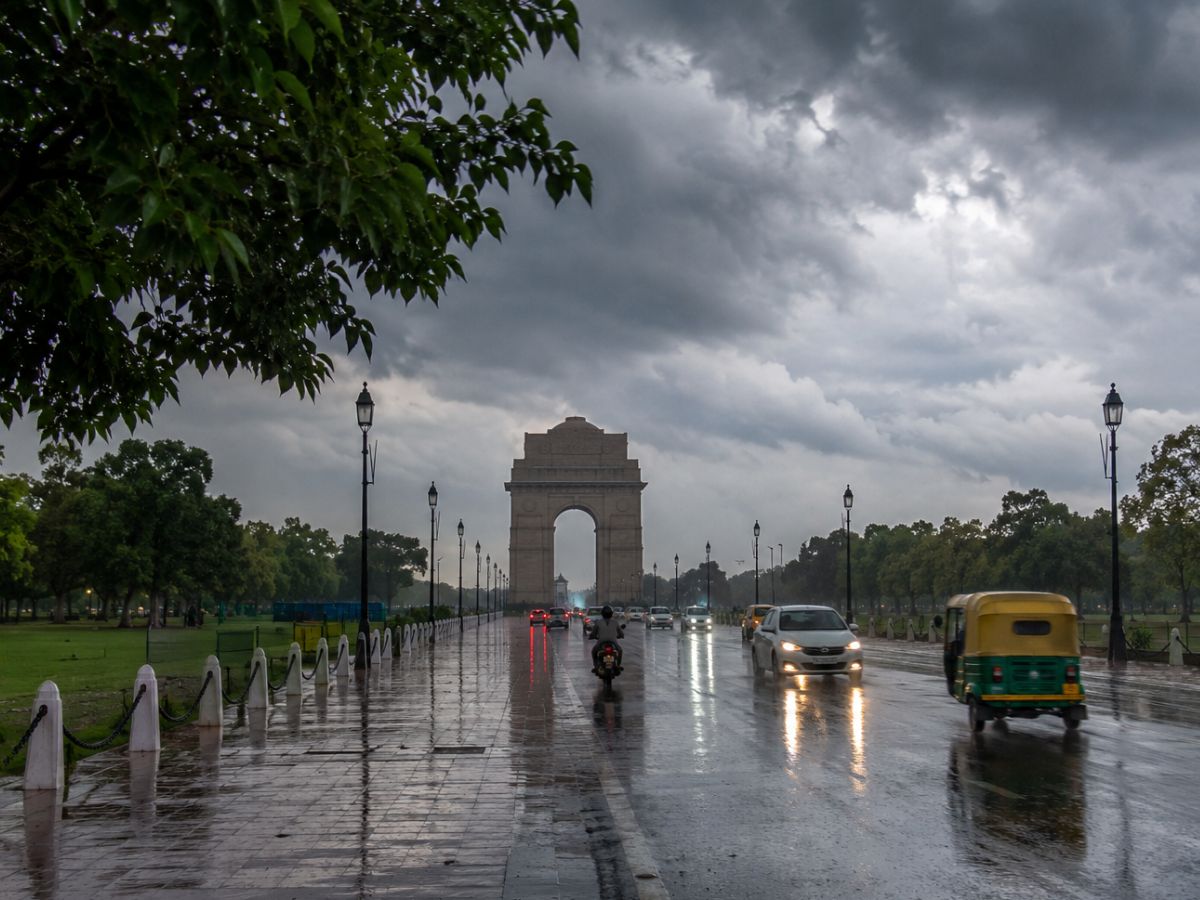
Meteorological data indicates that a deep moisture feed from the Bay of Bengal, coupled with atmospheric instability, is sustaining these heavy showers. While the rainfall is vital for recharging groundwater tables and sustaining regional reservoirs, the intensity and concentration of the precipitation have overwhelmed urban drainage infrastructure. With the IMD placing 19 states under varying levels of alert, the current weather pattern is not merely a localized urban inconvenience but a broader climatic event affecting the northern agricultural belt.
Infrastructure Vulnerability and Agricultural Supply Chain Friction
The return of severe waterlogging and gridlocked traffic serves as a stark reminder of the infrastructure vulnerabilities that plague the NCR during peak monsoon months. For farmers and traders operating on the peripheries of the capital, these conditions create immediate logistical bottlenecks. When transit times increase due to flooded underpasses and water-logged highways, the freshness of perishable commodities—such as leafy greens, dairy, and seasonal fruits—is significantly compromised.
Furthermore, these disruptions often lead to artificial price volatility in wholesale markets. As transport vehicles are delayed, supply-side constraints often trigger sudden price hikes in local mandis, despite adequate production levels in the hinterlands. Beyond the urban core, the excessive rain also poses a risk of soil erosion and waterlogging in high-value vegetable plots located in the peri-urban regions of Haryana and Uttar Pradesh. Prolonged saturation of the root zone can lead to crop stress, increased susceptibility to fungal pathogens, and, in severe cases, the loss of standing crops that are nearing harvest maturity.
Managing Field Conditions During Prolonged Precipitation
As the IMD forecast suggests that the wet spell will persist for several more days, the agricultural community must transition into a proactive management phase. The primary concern during such heavy rainfall is the management of excess water and the mitigation of secondary disease outbreaks. Standing water in fields must be drained efficiently to prevent root rot and the leaching of essential soil nutrients, which can leave crops vulnerable to nutrient deficiencies once the sun returns.
Farmers are advised to prioritize the maintenance of drainage channels to ensure that water does not stagnate around the base of plants. Furthermore, the high humidity levels accompanying these rains create an ideal environment for the proliferation of pests and fungal infections. Proactive monitoring of crop health is essential; farmers should be prepared to deploy protective measures as soon as field conditions permit, ensuring that any necessary interventions are applied before moisture-induced diseases take hold.
What This Means for Farmers
For those managing operations in the NCR and surrounding states, the current weather trajectory necessitates a strategic shift in both logistics and field management:
- Logistical Planning: Expect continued delays in the movement of inputs and outputs. Farmers should aim to consolidate shipments where possible and communicate closely with transport providers to navigate around known flood-prone routes.
- Field Drainage: Prioritize the clearance of drainage canals and furrows. Preventing water stagnation is the single most effective way to protect crop root systems from irreversible damage during extended rain spells.
- Disease Surveillance: Increased humidity and soil moisture are precursors to fungal outbreaks. Conduct regular scouting for signs of mildew, blight, or rot, and consult with local extension services regarding the timing of preventative fungicide applications.
- Market Timing: Given the volatility in transport, avoid harvesting highly perishable crops during the peak of the storm. If possible, delay harvest until the window of rainfall closes to ensure product quality and reduce post-harvest losses.
- Input Storage: Ensure that fertilizers, seeds, and animal feed are stored in elevated, moisture-proof areas to prevent spoilage and nutrient loss caused by roof leaks or rising groundwater.