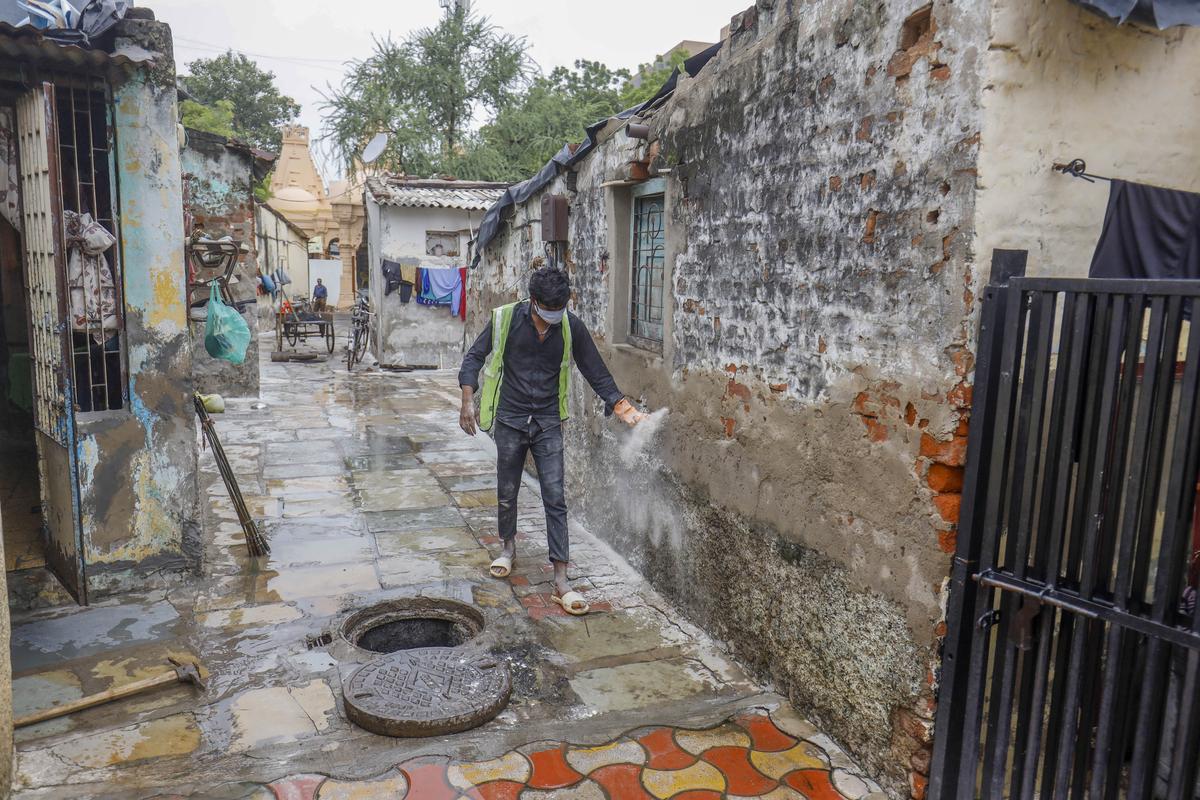
National Response Team Mobilized to Combat Chandipura Virus Outbreak
In a coordinated effort to curb the spread of the Chandipura virus (CHPV), the central government has deployed a high-level national joint response team to provide technical and operational support to the states of Gujarat and Rajasthan. The move comes as health authorities report a concerning uptick in cases, necessitating an urgent public health intervention to protect both rural communities and the broader agricultural workforce.
The Chandipura virus, a member of the Rhabdoviridae family, is a vector-borne pathogen primarily transmitted by sandflies, mosquitoes, and midges. Given its prevalence in regions with specific environmental conditions—often characterized by high humidity and the presence of mud-plastered dwellings—the current outbreak has prompted an immediate shift toward heightened surveillance and vector control measures in affected districts.
Understanding the Vector-Borne Threat in Rural Landscapes
The Chandipura virus is notoriously difficult to manage because its primary vectors thrive in the very environments where agricultural activity is most concentrated. Sandflies, the principal carriers of the pathogen, typically breed in damp, earthen structures and organic debris commonly found near livestock shelters and farmyards. Because the virus can progress rapidly, particularly in younger populations, the national response team is focusing on rapid diagnostic capabilities and the deployment of mobile surveillance units.
The technical strategy employed by the central team involves a multi-pronged approach: strengthening laboratory infrastructure for faster confirmation of cases, intensifying entomological surveys to track vector density, and implementing community-wide sanitation drives. By targeting the breeding grounds of the sandfly, officials aim to break the transmission cycle before the virus gains further geographical traction. This effort is complemented by public awareness campaigns aimed at educating rural residents on the importance of habitat modification and personal protection measures.
Inter-Agency Collaboration and Public Health Strategy
The deployment of the national joint response team signifies a shift toward a "One Health" approach, which recognizes the interconnectedness of human health, animal health, and the environment. Since the Chandipura virus is linked to livestock proximity and rural housing conditions, the response team is working closely with state-level veterinary and agricultural extension services. This inter-agency cooperation is essential for ensuring that farmers receive accurate information on how to manage farm premises to reduce the presence of disease-carrying insects.
Furthermore, the team is tasked with providing clinical guidelines to local healthcare providers to ensure early identification of symptoms. Because symptoms of Chandipura virus can initially mimic other common febrile illnesses, the rapid training of frontline health workers is a cornerstone of the national mandate. By consolidating resources from national research institutes and state public health departments, the government seeks to minimize the impact of the outbreak on local productivity and community welfare.
What This Means for Farmers
For the farming community, the current outbreak serves as a critical reminder of the importance of farm hygiene and vector management. The following practical steps and economic considerations are essential for mitigating risk:
- Habitat Modification: Farmers are advised to maintain clean surroundings around animal sheds and residential areas. Clearing organic waste, leaf litter, and stagnant water sources significantly reduces the breeding sites for sandflies and mosquitoes.
- Structure Maintenance: Since sandflies often inhabit cracks and crevices in mud walls, maintaining the integrity of building surfaces—such as regular plastering or painting—can help eliminate hiding spots for the vectors.
- Personal Protection: During peak activity hours for vectors (typically dusk and dawn), farmers should encourage the use of protective clothing and bed nets, particularly for children, who are statistically more vulnerable to the virus.
- Livestock Management: Keeping livestock shelters at a recommended distance from living quarters and ensuring proper manure management can lower the attraction of vectors to the immediate vicinity of the home.
- Economic Vigilance: Outbreaks of this nature can lead to temporary labor shortages and increased pressure on local health systems. Farmers should monitor their workforce for signs of high fever or neurological distress and report such cases to the nearest primary health center immediately. Early reporting is the most effective tool in preventing local outbreaks from escalating into regional health crises.
As the situation evolves, farmers are encouraged to rely on official advisories from state agricultural and health departments rather than speculative information. By integrating these preventative measures into daily farm management routines, the rural community can play a pivotal role in containing the spread of the virus and safeguarding their livelihoods.