
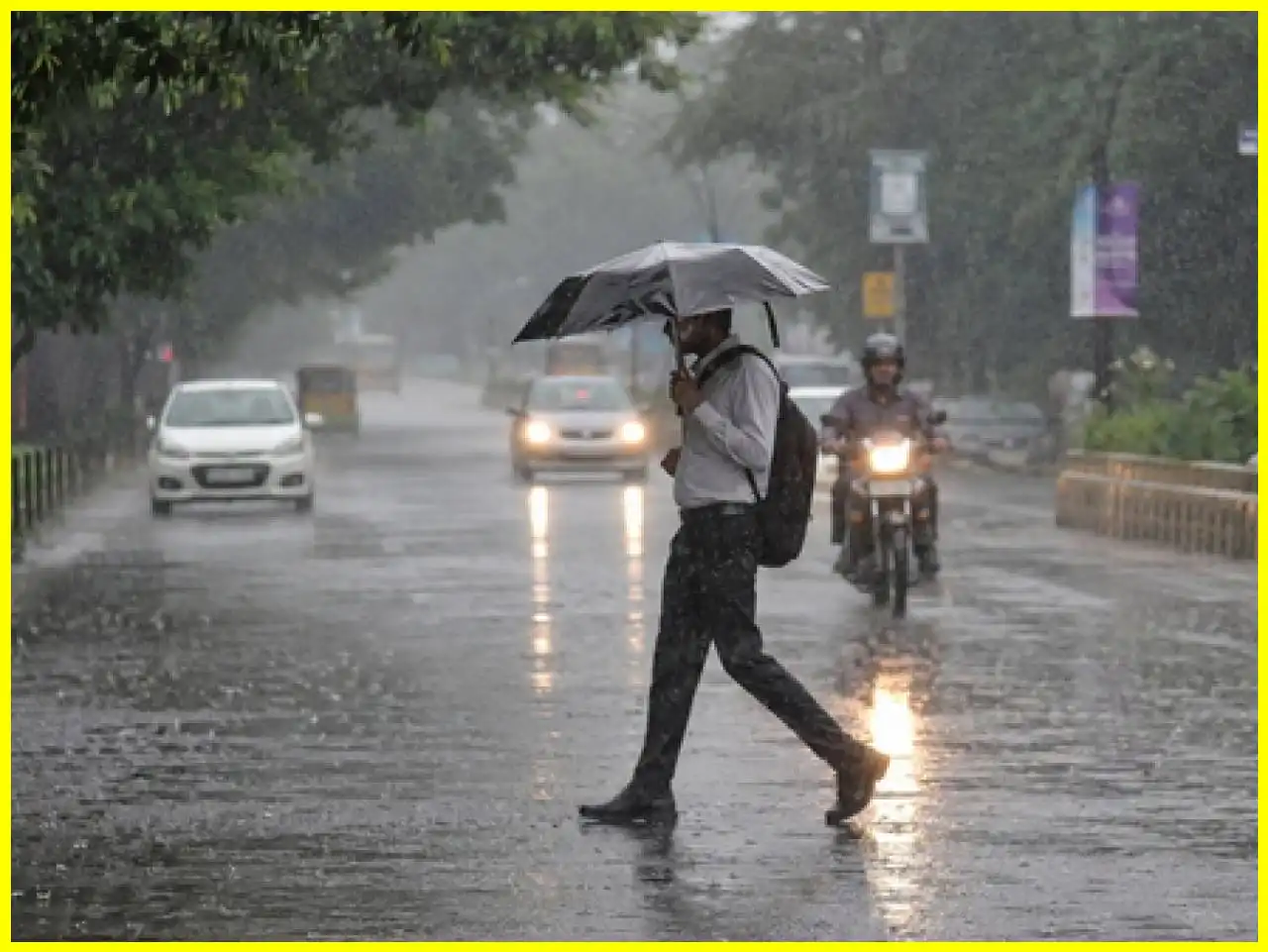
Monsoon Rainfall Intensifies Across India as Massive Cloud Belt Stretches Across Asia
A meteorological phenomenon of significant scale has captured the attention of weather bureaus and agricultural experts across the continent. Recent satellite imagery confirms the formation of an expansive, continuous rain belt extending roughly 7,000 to 10,000 kilometers, stretching from the northern reaches of India eastward toward the Korean Peninsula. This massive atmospheric corridor indicates that the 2026 southwest monsoon has entered one of its most active and synchronized phases, bringing widespread precipitation to the vast majority of the Indian subcontinent.
Meteorological analysis suggests that this cloud band is currently blanketing approximately 88% to 92% of India, marking a pivotal moment for the country’s agricultural calendar. The sheer scale of this moisture-laden system is facilitating steady, widespread rainfall, moving beyond localized bursts to create a sustained period of wet weather that is essential for replenishing soil moisture levels and filling critical irrigation reservoirs.
Atmospheric Dynamics Driving the Current Monsoon Surge
The development of such a long-range rain belt is a clear indicator of a robust monsoon circulation pattern. Experts note that the moisture convergence is being sustained by a favorable interaction between low-pressure systems over the Indian landmass and the strengthening of the monsoon trough. This alignment has effectively bridged the gap between different climatic zones, allowing for a consistent influx of moisture from the Indian Ocean to be transported deep into the interior of the country.
The persistence of this belt, which effectively links Indian weather patterns with those in East Asia, suggests a highly stable atmospheric configuration. For India, this means that the monsoon is not merely confined to traditional coastal or mountainous regions but is distributing rainfall across the central, northern, and western agricultural heartlands. This widespread coverage is vital for the Kharif crop cycle, as it mitigates the risk of moisture stress during the critical vegetative growth phase of crops such as paddy, pulses, and oilseeds.
Operational Challenges and Regional Impacts
While the widespread precipitation is largely viewed as a boon for the agricultural sector, the intensity and duration of such large-scale weather systems bring inherent challenges. Meteorologists emphasize that when a rain belt of this magnitude remains stationary or moves slowly, the risk of localized flooding in low-lying areas increases significantly. Soil saturation levels are approaching critical thresholds in several districts, which necessitates careful water management strategies to prevent crop lodging and root rot, particularly in low-lying fields.
Furthermore, the high humidity and cloud cover associated with this system can influence the pest and disease profile of standing crops. Agricultural extension services are already monitoring the potential for increased fungal pressure and insect outbreaks that thrive in warm, humid conditions. Effective canopy management and the strategic application of inputs are being recommended to ensure that the benefits of the rainfall are not offset by the secondary impacts of extreme moisture.
What This Means for Farmers
For the farming community, this active monsoon phase represents a critical window of opportunity balanced against operational risks. The primary implications and actionable insights include:
- Optimizing Nutrient Management: With heavy rainfall, the risk of nutrient leaching—particularly nitrogen—is elevated. Farmers should consider split applications of fertilizers rather than large, single doses to ensure that crops receive adequate nutrition as the soil moisture fluctuates.
- Water Drainage Infrastructure: In regions receiving high cumulative rainfall, maintaining field drainage channels is paramount. Ensuring that excess water can exit the field efficiently will prevent waterlogging, which can cause significant damage to young, sensitive root systems.
- Integrated Pest Management (IPM): The current weather conditions are highly conducive to the rapid spread of certain pathogens and pests. Farmers are advised to conduct regular field scouting and, where necessary, implement preventative measures such as protective spraying or thinning of high-density canopies to improve airflow.
- Economic Outlook: If the moisture distribution remains consistent, the overall outlook for the Kharif harvest is highly positive. Stable rainfall supports better yield potential and helps stabilize market prices by ensuring a bountiful supply. However, farmers should keep a close eye on local weather alerts, as the sheer scale of this rain belt implies that sudden shifts in atmospheric pressure could lead to localized heavy downpours that may require emergency management.
Ultimately, the current monsoon activity provides the necessary hydration for the agricultural season. By balancing the benefits of this moisture with rigorous field management, farmers can maximize the potential of their crops as the season progresses into its next critical phase.


