
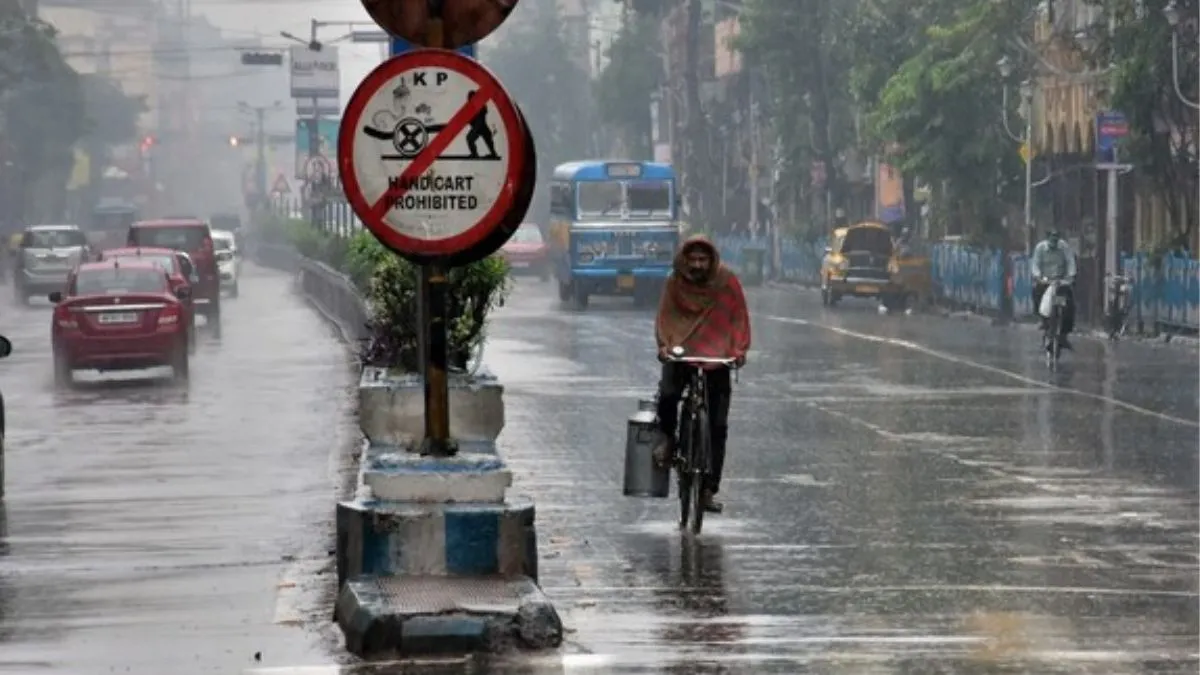
Monsoon Rebound: IMD Forecasts Widespread Rainfall Surge Throughout August
After a period of anxiety regarding moisture deficits during the mid-summer cycle, the agricultural landscape is poised for a significant shift. The India Meteorological Department (IMD) has issued a revised forecast indicating a robust revival of the southwest monsoon, with heavy rainfall projected to sweep across several key states throughout the month of August. Following a recovery from the rainfall deficits noted in July, this incoming weather pattern is expected to provide the necessary hydrological support for the remainder of the Kharif cropping season.
Meteorological data suggests that the monsoon trough is shifting into a more favorable position, facilitating moisture-laden winds from the Arabian Sea and the Bay of Bengal. This atmospheric realignment is set to benefit a broad geographical swath, with Central and Western India—regions critical to the nation's pulse, oilseed, and cotton production—expected to receive consistent and heavy precipitation. Furthermore, parts of the Northeast and the Himalayan belt are slated for significant showers, which will play a vital role in replenishing reservoir levels and sustaining soil moisture for late-season crop development.
Geographic Distribution and Meteorological Drivers
The anticipated uptick in monsoon activity is not merely a localized event but part of a broader atmospheric transition. The IMD’s latest briefings emphasize that the oscillation of the monsoon trough, combined with the development of low-pressure systems over the Bay of Bengal, will act as the primary engines for this heavy rainfall. For the agrarian heartland of Central India, this is a critical development. After a sluggish July that saw erratic moisture distribution, the stabilizing of rainfall patterns will provide a much-needed boost to standing crops that are currently in the vegetative growth stage.
In Western India, specifically in major agricultural states, the forecasted rains are expected to mitigate the stress on rain-fed farming systems. The Himalayan region and the Northeast, while already prone to high seasonal rainfall, will see an intensification that is essential for maintaining the ecological balance of the upper catchments. Agricultural experts note that the timing of this rainfall is optimal; it arrives just as many crops require increased water availability to transition into the flowering and pod-filling stages. By ensuring consistent saturation of the soil profile, these rains serve as a natural hedge against the mid-season droughts that often plague these regions.
Sustaining Crop Health and Reservoir Management
Beyond the immediate benefit to soil moisture, the projected August rainfall is a strategic boon for water management. The replenishment of minor and major irrigation reservoirs is essential for not only the current Kharif harvest but also for the subsequent Rabi planting cycle. When reservoirs reach optimal levels during August, farmers gain greater certainty regarding water availability for post-monsoon irrigation, which directly influences the decision-making process for winter crop selection.
However, the intensity of the forecast also brings a note of caution. While beneficial, high-intensity rainfall events require robust field management. Agronomists are emphasizing the importance of field drainage to prevent waterlogging, particularly in low-lying areas where standing water can induce root rot or nutrient leaching. As the monsoon enters this active phase, the synergy between meteorological monitoring and on-farm water management becomes the primary determinant of yield stability.
What This Means for Farmers
For the farming community, the IMD’s August forecast serves as both an opportunity and a call to action. The primary economic implication is a stabilization of the Kharif output, which helps mitigate the risks associated with the earlier July deficit. Farmers should consider the following practical steps to maximize the benefits of this rainfall:
- Optimizing Nutrient Application: With heavy rainfall expected, farmers should be cautious about applying fertilizers immediately before or during intense downpours. Nutrient leaching is a significant risk; splitting fertilizer applications into smaller, more frequent doses—following the cessation of heavy rain—can improve uptake efficiency.
- Field Drainage Infrastructure: Ensure that drainage channels are cleared and functional. Preventing water stagnation is critical for crops such as cotton and soybeans, which are highly susceptible to damage from prolonged soil saturation.
- Monitoring for Pest and Disease: Increased humidity and soil moisture are ideal conditions for the proliferation of fungal pathogens and specific insect pests. Regular field scouting is advised, with a focus on preventative measures rather than reactive chemical intervention.
- Strategic Planning for Rabi: The increased rainfall will likely improve soil moisture profiles for the upcoming season. Farmers should track reservoir levels in their districts to gauge the feasibility of water-intensive Rabi crops, allowing for more informed planning as the Kharif season concludes.
By aligning agricultural practices with these updated climatic insights, farmers can effectively leverage the monsoon's recovery to protect their investments and ensure a more resilient harvest.


